Diagnosing Low Flow in a Plating Filtration Loop
Diagnose low flow in a plating filtration loop using flow, differential pressure and operating state. Separate filter, pump and piping evidence for an RFQ.
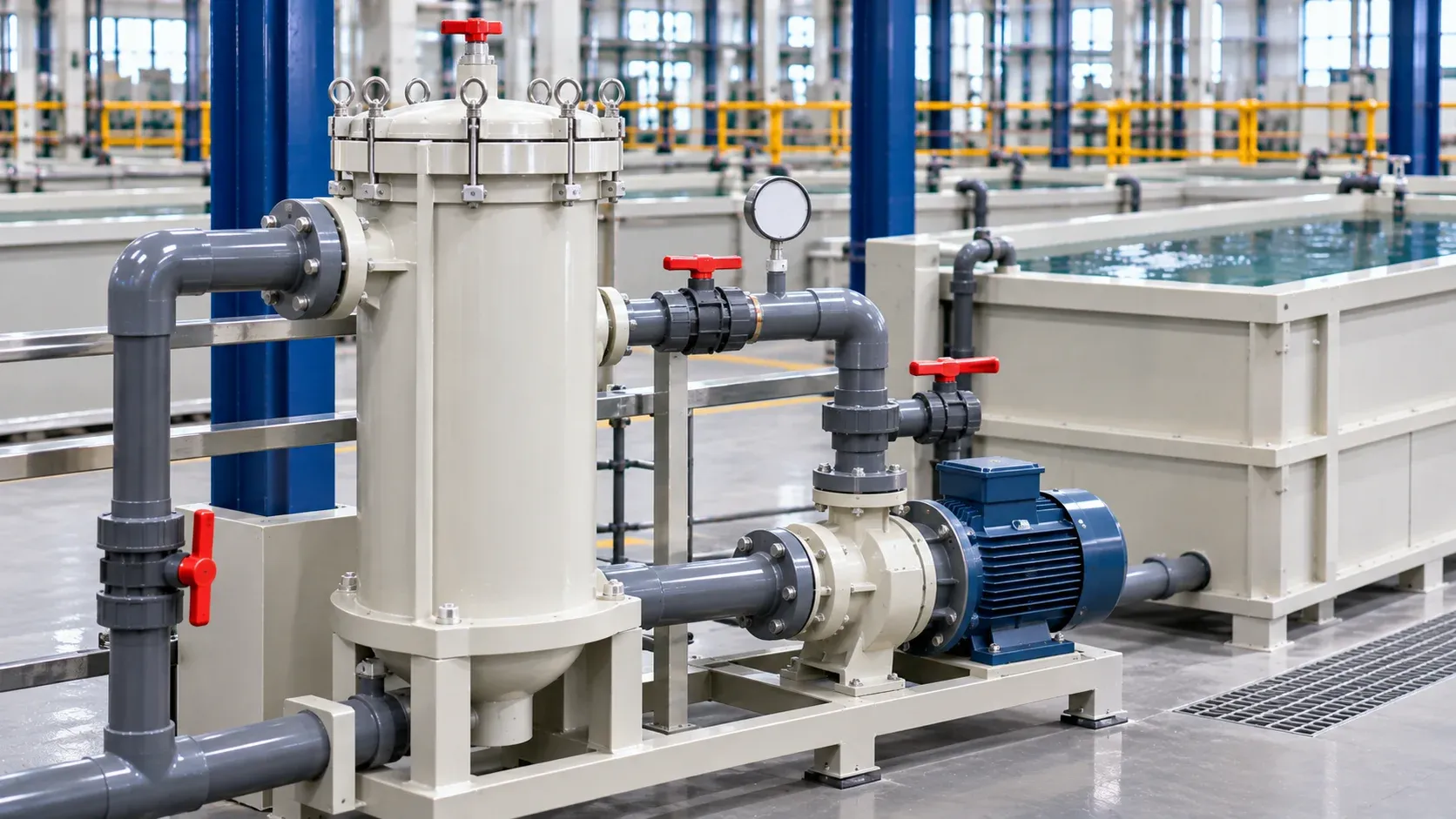
When plating filtration flow falls, compare the flow reading and pressure drop across the filter under the same operating conditions. Check the recorded pump speed, valve state and tank level. Use the combined evidence to decide whether to investigate the filter, the pump, the piping or the instrument first.
ES-PRO editorial team · Updated 11 November 2026
Start with the approved piping diagram and the plant's inspection procedure. The readings used here can come from installed instruments or approved logs. Opening a filter, changing valves or servicing a pump follows the site's isolation and maintenance procedures.
Collect a clean baseline at known conditions
Label where each instrument reads. The pressure difference between the filter inlet and outlet describes that section of the loop. Pump head or discharge pressure describes a different boundary. Record flow at a known point, tank level, pump speed or operating mode, the circulation route and the condition of the filter element.
Use a clean-element baseline at the intended operating point, as permitted by the process. Record which valves and branches were active. If the system has a bypass or parallel filter, identify what the flow instrument includes. A reading for the combined return cannot identify the flow through one housing by itself.
Observed together | Next record to compare | Question to resolve |
|---|---|---|
Lower flow and higher filter pressure drop | Clean-element trend at comparable conditions | Did resistance across the filter increase? |
Lower flow and lower filter pressure drop | Pump speed, route, level and other loop pressures | Is the filter receiving less flow for another reason? |
Reading changes with a route selection | Instrument location, branch status and prior trend | Are the comparisons measuring the same circuit? |
Flow and pressure records disagree with normal behavior | Instrument history and approved verification check | Is the reading usable for diagnosis? |
The U.S. DOE pumping systems sourcebook explains how a centrifugal pump's operating point depends on pump and system characteristics. Use that relationship with the actual pump curve and liquid conditions. The plating pump selection guide covers the broader pump duty and construction questions.
Record the process temperature with the baseline. If it changed during the event, confirm the applicable liquid data with the pump and filter suppliers. The tank heater and control guide covers the separate temperature-control duty.
Worked example with two falling-flow events
Suppose a recirculation loop runs at a known pump speed. In Event A, measured flow falls while the filter inlet-to-outlet pressure drop rises. That trend supports investigating filter resistance and comparing the readings with the approved clean baseline and service criteria. Keep the route and instrument status in the record.
In Event B, flow falls and the filter pressure drop also falls. The log shows that the controller selected a different pump speed before the change. Check the speed, the route and the pump's operating range before treating the filter as the cause. A low pressure drop at low flow cannot establish that the element is clean.
Bring the two event records to the equipment supplier. Ask which readings are available, which limits come from the filter supplier and what the control system should show on an alarm. If several process branches share a pump, have the supplier demonstrate how the records distinguish the branches.
Compare measurements at the same boundary
Have the team sketch which section each sensor measures. If one flow reading covers a shared return and another comes from a single branch, preserve both with their locations. Include valve position or the selected route in the event record. This lets the supplier separate low flow through one process branch from a drop in total circulation before recommending a modification.
Specify the measurement and maintenance interfaces
State which flow must be demonstrated, where it is measured and which route is active. Identify the filter inlet and outlet measurement points, instrument range and data history. Ask the supplier for a pump curve and operating point for the intended liquid and routing. Agree the approved filter pressure limit, service trigger and ownership with the appropriate supplier and plant team.
Record event time · process tank · pump/route state · flow point and reading · filter inlet/outlet readings · liquid condition · baseline reference · disposition. Keep the event linked to any change in filters, pumps or instrumentation. Use the line layout guide when reviewing where gauges, filters and service access belong.
FAQ
Does high filter pressure drop always mean the element must be replaced?
Compare the reading at the current flow with the approved limits and baseline. Follow the filter supplier and plant's service procedure.
Can pump discharge pressure replace a filter differential reading?
Use measurement points on both sides of the filter for that pressure drop. Pump discharge includes other effects of the circuit.
Can I solve low flow by fitting a larger pump?
First establish the flow requirement and cause of the shortfall. Check the full operating point and equipment limits before specifying a change.
Discuss a filtration loop requirement
Share your loop diagram and two comparable readings. Include the required flow, route and filter data. Send diagrams by sales email, or discuss the project on WhatsApp.
Image note: AI-generated editorial photography illustrates equipment or workpiece contexts; it is not an ES-PRO installation, customer reference or evidence of coating performance.