ASTM B700 covers electrodeposited silver for engineering use. An equipment RFQ needs the approved coating callout plus the substrate, layer stack, thickness, loading and acceptance plan. This guide turns those requirements into a line-scope checklist; it does not select a silver type for the customer. The public ASTM B700-26 scope sets a baseline of at least 98 mass% silver for the coatings it covers; that baseline does not replace the contract-required purity type.
Scope and limits: engineering silver callouts
- Decorative silverware: B700 addresses engineering electrodeposits; holloware and decorative work follow other standards and trade practice.
- Silver plating on plastics: substrate-specific requirements govern; the specification does not transfer automatically.
- Choosing the type for the customer: if the drawing omits the type, the design authority must decide it — a supplier's default is an assumption, not a specification.
- Confusing B700 with the older federal silver specification: related documents from the QQ-S-365 era appear in legacy drawings; record which document and revision the contract actually invokes.
How does ASTM B700 distinguish finish grade and treatment class?
The public catalogue distinguishes minimum-purity type, appearance grade and surface-treatment class. Copy exact designations and limits from the contract-invoked controlled edition; this page does not supply default classifications. Record the drawing thickness and significant surfaces alongside them:
| Field | What it sets |
|---|---|
| Type | Minimum silver content specified by the approved callout |
| Grade | Surface finish family (matte, semi-bright, bright) |
| Class | Surface-treatment status specified by the approved callout |
| Thickness | Deposit thickness per the drawing, measured on significant surfaces |
An unresolved field needs a named owner and an answer before quotations are compared. A supplier's preferred chemistry is not an approved amendment to the drawing. Record the document revision, substrate and layer stack as well as the coating classification and thickness.
The specification's verification requirements apply to thickness and the other characteristics it covers. Our thickness testing guide covers how measurement methods are chosen and documented.
What does a silver callout change for the line?
Each field carries line consequences: the type and finish point to bath families, each with its own controls and its own appearance acceptance; the class decision adds or removes a post-treatment stage with its application method, rinsing and records; thickness sets the measurement plan. For electrical applications, contact areas and masking belong in the loading discussion; record excluded surfaces, allowable contact points and the masking method in the loading brief.
Tarnish findings should always be investigated on evidence. Silver reacts with sulfur-bearing environments even when the coating conforms — but post-treatment condition, contamination, rinsing and drying, and packaging can all participate in a tarnish result, so the investigation covers the whole route rather than assuming storage alone. Our silver plating for electronics guide covers that management in depth.
For the wider equipment boundary, the electroplating equipment buyer's guide compares handling formats and the tanks, power, controls and support equipment around them.
Silver-plating equipment RFQ checklist
Use this blank worksheet with the drawing and purchase order. The entries are planning inputs, not process settings, completed production records or proof of conformity. Mark missing information as pending and name its owner.
- Contract basis
- Record for this projectB700 revision, drawing revision and purchase-order clauses: ____
- How this changes the decisionFixes the requirements used for the offer and trial. A newer catalogue edition does not automatically amend the contract.
- Substrate and condition
- Record for this projectMaterial/alloy, heat treatment, hardness where relevant, size and incoming surface: ____
- How this changes the decisionChanges pretreatment, rack support and the assessment of applicable stress-relief or embrittlement-control steps.
- Layer stack
- Record for this projectSpecified strike/undercoat, materials, thicknesses and prohibited layers: ____
- How this changes the decisionDefines additional process stages and whether retained tanks can be used.
- Silver classification
- Record for this projectType, grade and class copied from the approved callout: ____
- How this changes the decisionDirects chemistry/finish selection and whether a specified surface-treatment stage belongs in the scope.
- Thickness and measurement map
- Record for this projectThickness with units, minimum/range, significant surfaces and measurement locations: ____
- How this changes the decisionSets the deposition-duty and inspection brief. Geometry and loading affect whether the required distribution can be demonstrated.
- Loading and exclusions
- Record for this projectPart family, quantity and active plated area per load, handling mass/envelope, contacts and masking: ____
- How this changes the decisionChanges fixtures, usable plated area and handling; contact points must not conflict with the acceptance map.
- Production demand
- Record for this projectAccepted pieces or plated square metres per month, product mix, working hours/shifts and expansion allowance: ____
- How this changes the decisionChanges required load frequency, station count and handling duty. State the trial/load assumptions behind any proposed output.
- Acceptance and records
- Record for this projectInvoked tests, methods, limits, sampling, specimens, witness and record owner: ____
- How this changes the decisionDefines inspection equipment or external test services, trial pieces and evidence included in the quotation.
- Treatment and handoff
- Record for this projectApproved treatment, rinse/dry route, time to assembly, packaging and storage: ____
- How this changes the decisionAssigns treatment, drying and handling responsibilities; the coating label alone does not establish the handoff condition.
Copy this project worksheet
Select the text in the read-only field and copy it into your RFQ document or project notes. Complete the requirements, owner and status for each item.
Questions You May Have:
Which type should electrical contacts use?
Purity describes composition. Required conductivity, hardness, solderability or other functional acceptance must be evaluated for the specified coating system and intended use. Obtain the approved type and test requirements instead of choosing a type from the application name alone.
Does the specification guarantee no tarnish?
No. Anti-tarnish post-treatment slows reaction with sulfur-bearing environments; it does not make silver inert. Storage and packaging remain part of the system.
Is thickness part of the callout?
Thickness is specified on the drawing and verified per the specification's requirements — usually with the measurement locations named so both parties test the same surfaces.
Can one line run every silver type?
Some equipment may be shared, but whether types and finishes can use a common bath or need separate systems depends on the chemistry and contamination limits. Define the product mix, then verify the proposed combination.
Get Proposal and Demo
Introduce your silver plating project with company, name, email and project country. Technical fields are optional. Provide the callout, substrate, part families and storage requirements when available, and ask which line scope and demonstration apply.
Specifications can follow by sales email, or chat on WhatsApp.
Official reference
- ASTM B700-26 — Electrodeposited Coatings of Silver for Engineering Use (ASTM catalogue). Purity types, grade and class structures, and verification requirements are in the controlled edition; the catalogue page confirms the current designation.
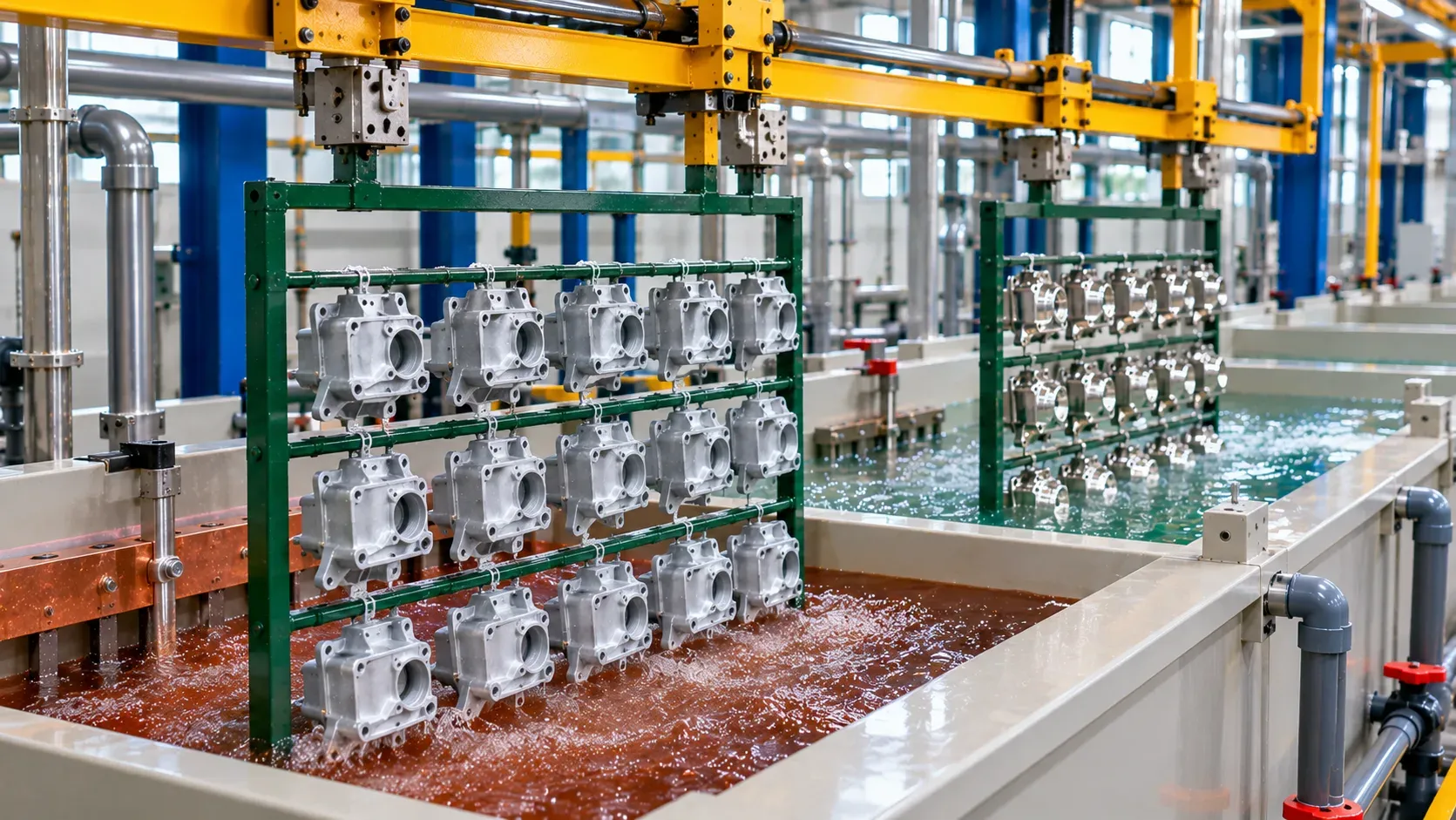
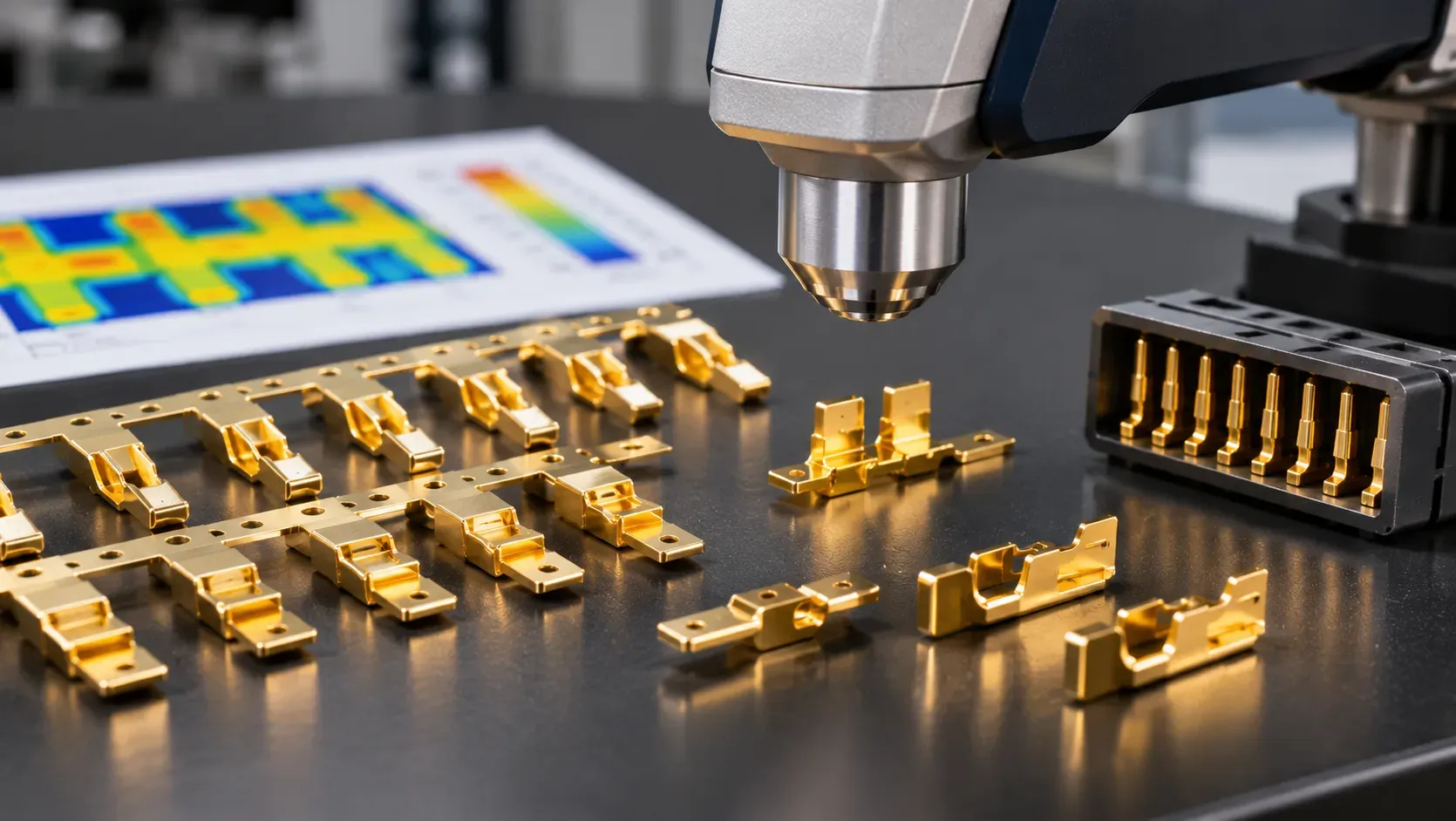
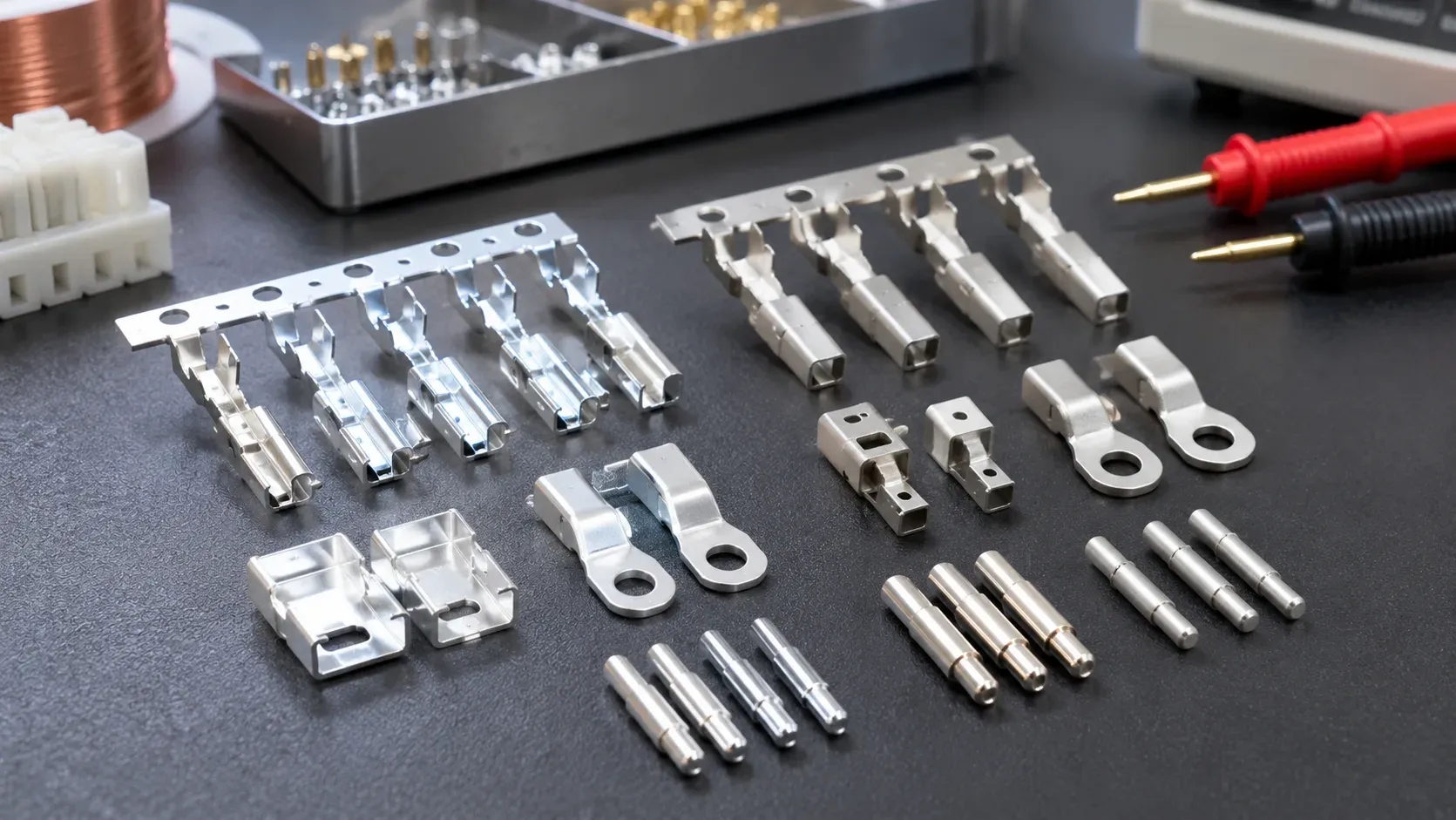
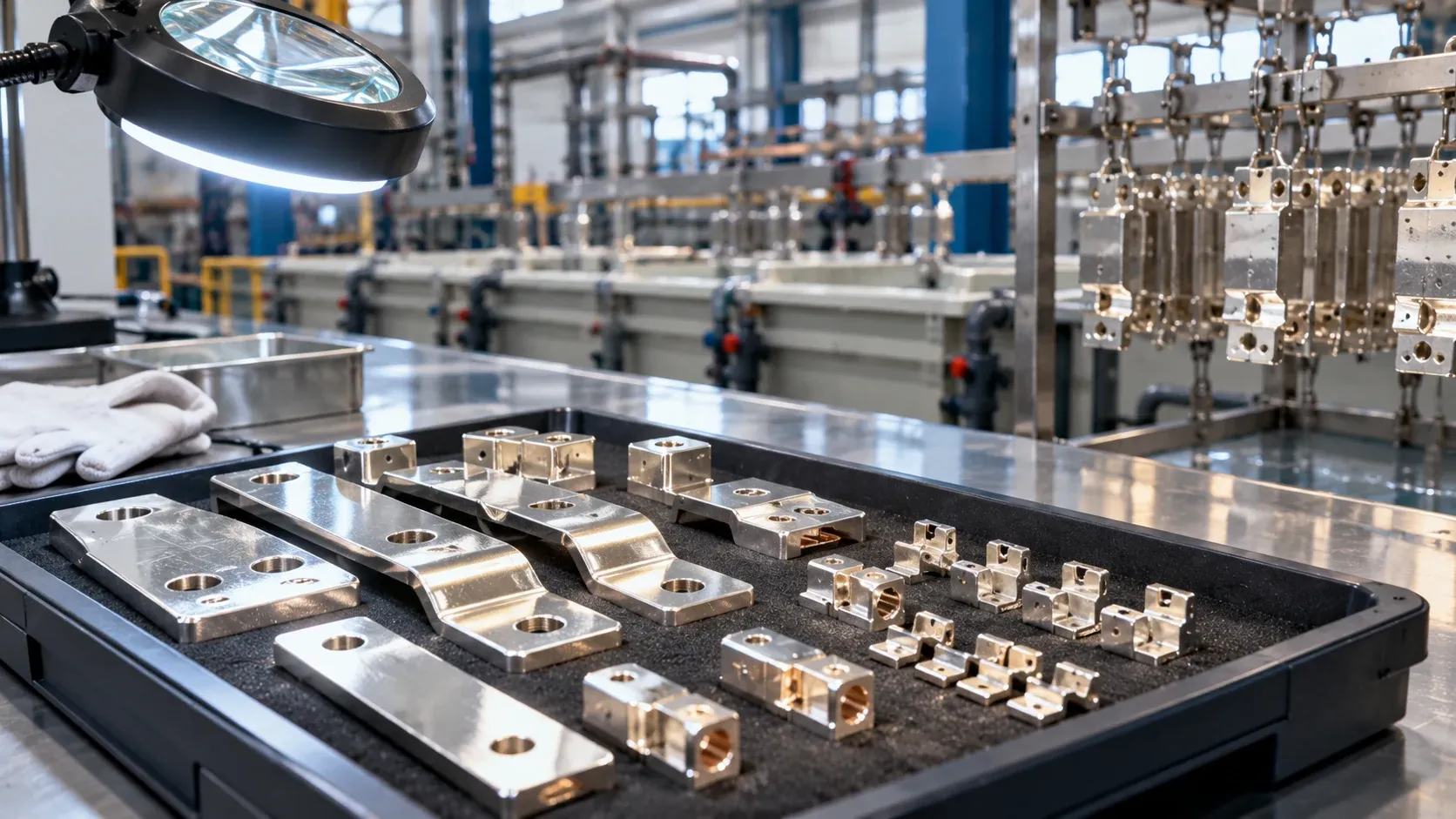
Image note: AI-generated editorial imagery illustrates equipment or workpiece contexts; it is not an ES-PRO installation, customer reference or evidence of coating conformity.