Plating Lines & Equipment
Plating Tank Agitation: Turn the Process into a Project Brief
Define plating tank agitation with approved process needs, loaded geometry, movement, control, maintenance access and a representative-load demonstration.
@media (max-width:600px) { .espro-guide { font-size: 17px; } .espro-guide .comparison-scroll { overflow: visible; } .espro-guide table, .espro-guide tbody, .espro-guide tr, .espro-guide td { display: block; width: auto; } .espro-guide thead { display: none; } .espro-guide tr { border-bottom: 2px solid #d7e3f4; } .espro-guide td { padding: 12px 15px; } .espro-guide td:before { content: attr(data-label); display: block; color: #2454a6; font-size: 12px; font-weight: 700; margin-bottom: 5px; } .espro-guide .brief-flow { display: block; } .espro-guide .brief-flow span { display: block; margin-bottom: 10px; } }
Plating tank agitation should be selected against the approved process, the loaded workpiece arrangement and the required operating control. Provide the part geometry, rack travel, bath conditions and maintenance constraints before comparing equipment. Ask each proposal to explain what moves, which interfaces are included and how performance will be checked on a representative load.
Process objectiveLoaded movementControls & trial
Original editorial enquiry framework. Conceptual inputs, not an engineered layout or measured result.
Which plating problem should tank agitation address?
Start with the process owner's requirement and the observed production issue. State whether the project is a new line, an upgrade or an investigation of inconsistent results. Record the part family and where the concern appears. An equipment request headed “more agitation” leaves the supplier to guess both the intended result and the constraints around the actual parts.
The Nickel Institute Nickel Plating Handbook is an official resource for industrial nickel-plating practice and process control. For the equipment brief, use the approved process conditions and required movement or circulation from the responsible process owner. A general handbook reference does not validate a particular arrangement for another chemistry.
Which plating tank agitation methods need separate assessment?
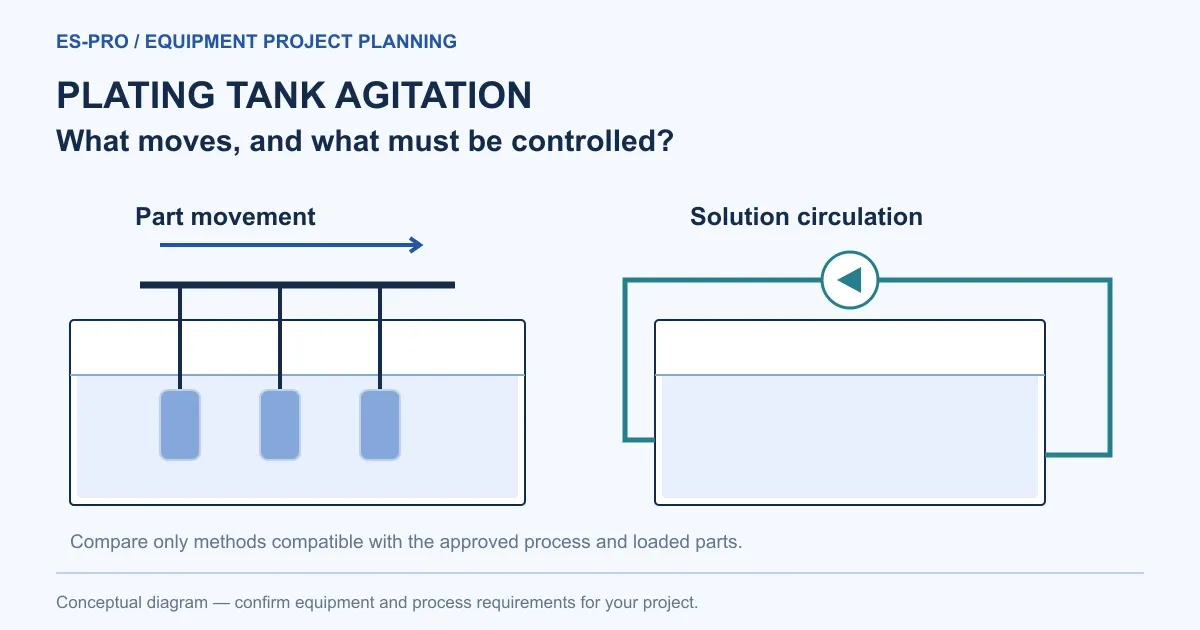
Describe the proposed movement precisely. Mechanical movement of a rack, movement of the workpieces and solution circulation involve different interfaces. If several approaches are being considered, ask the supplier to identify each candidate and the reason it suits the part and process. Include any restrictions imposed by the chemistry provider or the existing line.
Show the loaded assembly and its travel envelope. Identify anodes, tank fittings, connections and other equipment that could obstruct movement. Check the arrangement at the largest load and at the most restricted part orientation. A satisfactory movement path for an empty rack does not establish clearance or part protection when the rack is loaded.
Which part, bath and load data should an agitation enquiry include?
Provide a marked drawing or photograph of the working arrangement. Include part dimensions, orientation and permitted contact areas. State the normal load mix and the parts that are difficult to drain or rinse. For an upgrade, show the retained tank, rack system and any nearby services. Record the information still unavailable rather than filling gaps with convenient assumed dimensions.
Project input | Buyer record | Supplier clarification |
|---|---|---|
Process requirement | Approved chemistry and agitation objective | Candidate arrangement and process assumptions |
Loaded geometry | Parts, rack and orientation | Movement envelope and clearance checks |
Existing fittings | Anodes, services and retained equipment | Included modifications and responsibility |
Operating sequence | Movement during processing and transfer | Control sequence and stopping positions |
Maintenance | Access, isolation and service ownership | Inspection and replacement provisions |
Acceptance | Representative load and agreed checks | Demonstration sequence and records |
This is an original enquiry schedule. It is not a construction layout or proof that an agitation change will correct a coating defect.
How do plating agitation and workpiece handling interact?
Ask when movement begins, when it stops and how it relates to transfer between stages. Identify the loading and unloading positions. Discuss what operators must do during a normal cycle and after an interruption. For a shared handling system, the proposal should explain which stages use movement and how that affects the rest of the line sequence.
Review part retention and the surfaces where contact marks are permitted. The barrel versus rack guide provides a broader handling comparison, but it does not select the agitation arrangement for a specific rack. Request assessment of the actual load and approval of any proposed tooling change.
Which bath services should be assessed alongside plating agitation?
Identify the interfaces with filtration, heating, temperature measurement and dosing where those functions are part of the process. Ask the supplier to distinguish coordinated functions from separately supplied equipment. A proposal should state where monitoring takes place and which retained devices it relies on. If an existing sensor position will change, include its assessment in the upgrade brief.
Our plating tank heater guide addresses the separate thermal duty. Keep the requirements connected in the project schedule while comparing the included scope of each system. Do not assume that movement equipment supplies a heating or filtration function merely because all items sit around the same tank.
Which agitation access and interruption duties belong in the offer?
Ask how the proposed equipment is inspected, isolated and maintained. Record the factory's access restrictions and planned shutdown periods. Identify where staff need to reach the tank, rack or drive. The offer should distinguish routine servicing from work that needs removal of a major assembly or a change to the process route.
Provide the project country and ask the responsible local specialists to assess applicable workplace requirements. OSHA1910.124 supplies U.S. dipping and coating context. Its general requirements are not a project-specific equipment approval or a guarantee that a proposed modification is acceptable in another jurisdiction.
What should a plating tank agitation demonstration establish?
Agree the parts, load, orientation and approved conditions before observing the system. Record the movement and relevant operating data during the agreed sequence. Include the proposed stop and restart procedure in the discussion. Identify which coating measurements will be compared and who decides whether the result meets the part requirement.
For an upgrade, retain a clear before-change record. Avoid changing several unresolved process variables at once and then assigning the result to movement alone. Define what evidence would support the next decision. The line planning checklist helps connect that demonstration to the complete factory project.
Questions You May Have:
Does a faster movement automatically improve the deposit?
The appropriate movement must be assessed for the process and load. Specify the intended result and agreed checks; a speed figure alone does not establish coating performance.
Can solution circulation replace rack movement?
They are different arrangements with different interfaces. Ask the process owner and equipment assessor to compare their suitability for the approved route and actual part geometry.
What is the most useful upgrade drawing?
A marked view of the loaded rack, tank fittings, services and available travel is a strong starting point. Include access and existing dimensions where known.
Can I enquire without a complete mechanical layout?
Yes. Provide the process objective, representative parts and known restrictions. Mark missing dimensions so the assessment can identify the information needed before a firm proposal.
Get Proposal and Demo
Introduce your agitation project with company, name, email and project country. Other fields are optional. Share the approved process, loaded arrangement and intended improvement when available. Ask which equipment scope and representative-load demonstration should be assessed.
Send drawings by sales email, or chat on WhatsApp. Use the quotation scope guide to record retained equipment and modification responsibilities.
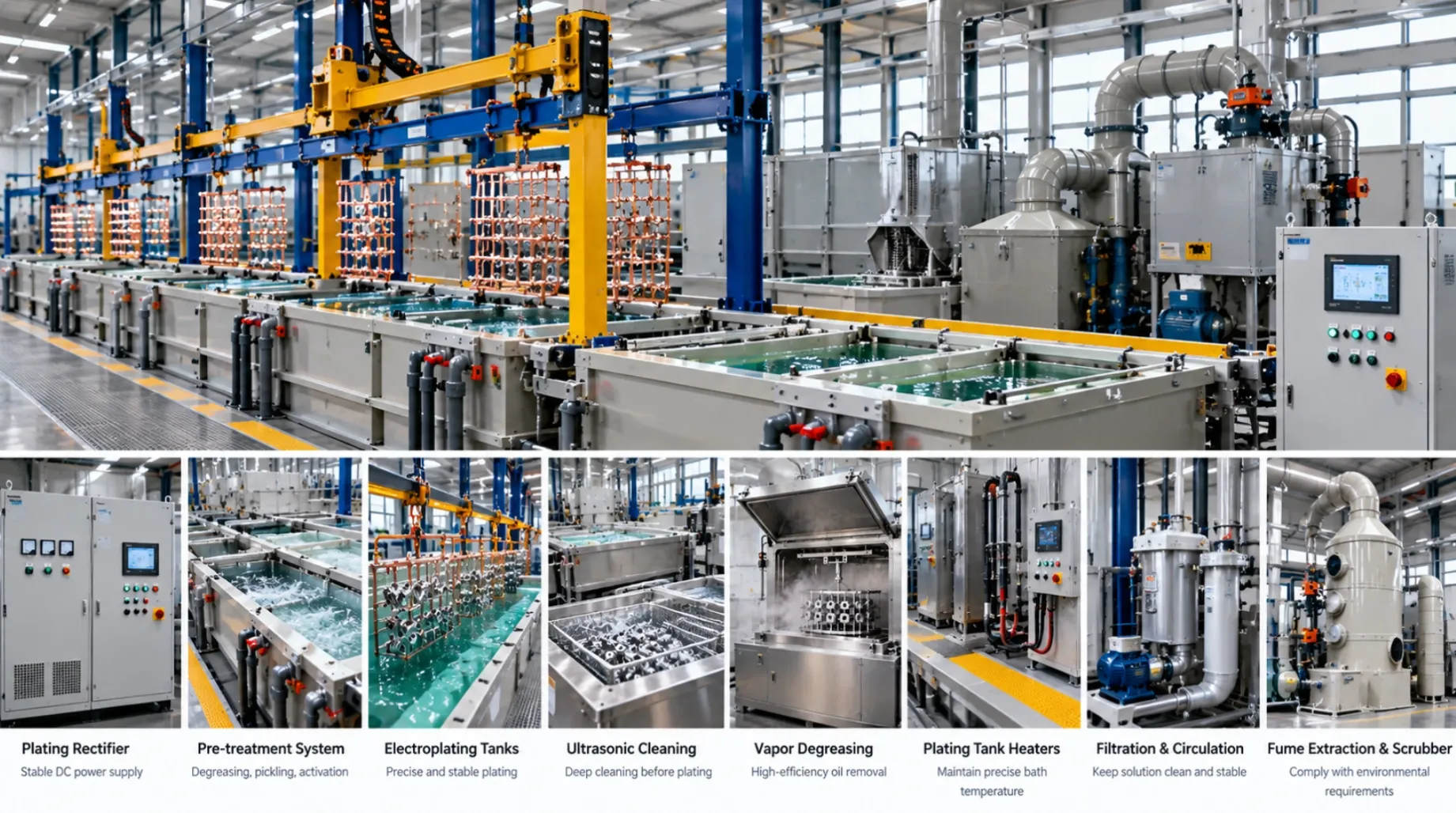
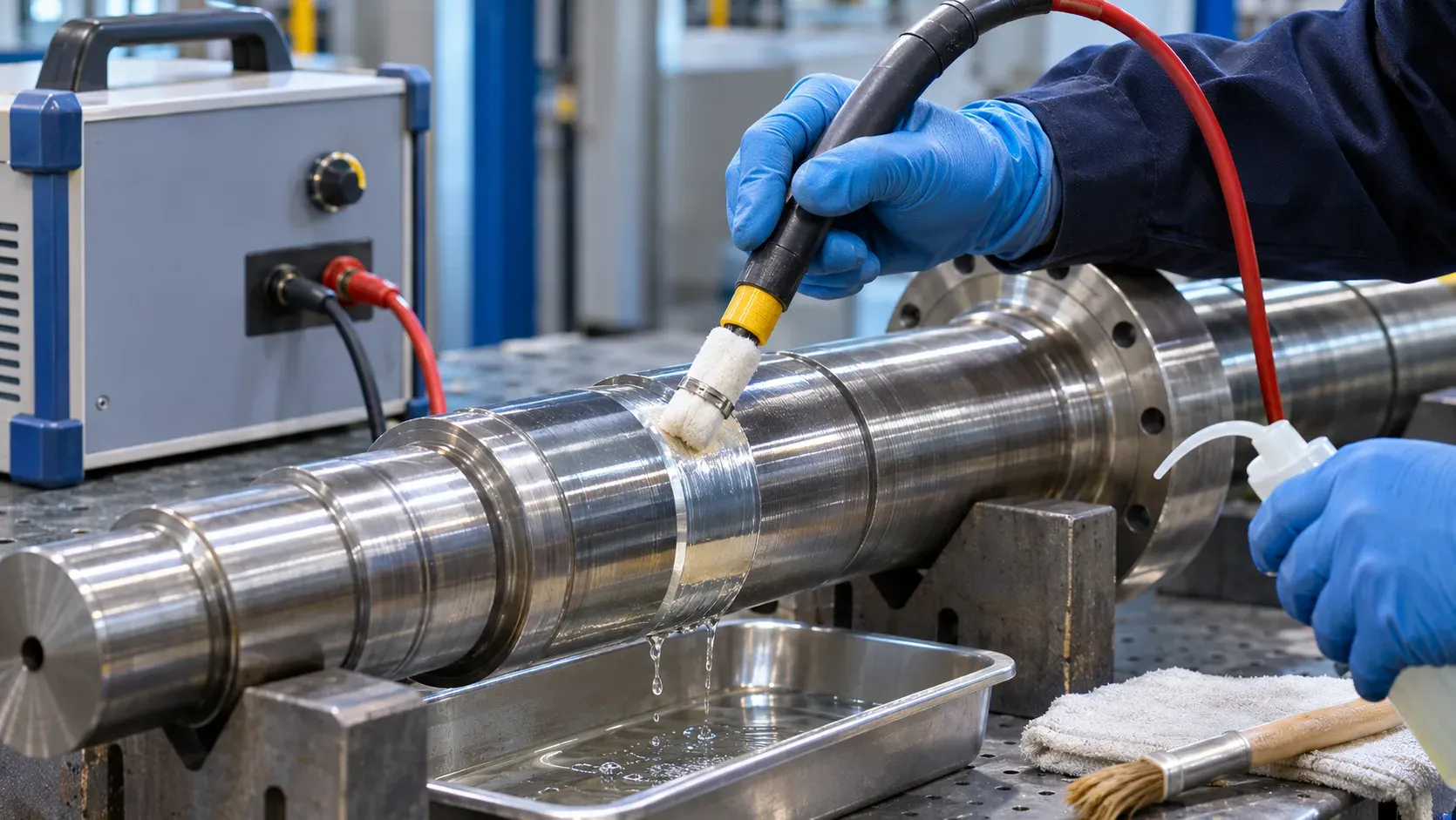
Image note: AI-generated cover illustration; not an ES-PRO installation, customer project or test result.