Plating Process
Plating Masking: Define Excluded Areas and Loading
Specify plating masking with marked exclusion zones, contact areas, application and removal tasks, boundary inspection and representative-part trials.
@media (max-width:600px) { .espro-guide { font-size: 17px; } .espro-guide .comparison-scroll { overflow: visible; } .espro-guide table, .espro-guide tbody, .espro-guide tr, .espro-guide td { display: block; width: auto; } .espro-guide thead { display: none; } .espro-guide tr { border-bottom: 2px solid #d7e3f4; } .espro-guide td { padding: 12px 15px; } .espro-guide td:before { content: attr(data-label); display: block; color: #2454a6; font-size: 12px; font-weight: 700; margin-bottom: 5px; } .espro-guide .brief-flow { display: block; } .espro-guide .brief-flow span { display: block; margin-bottom: 10px; } }
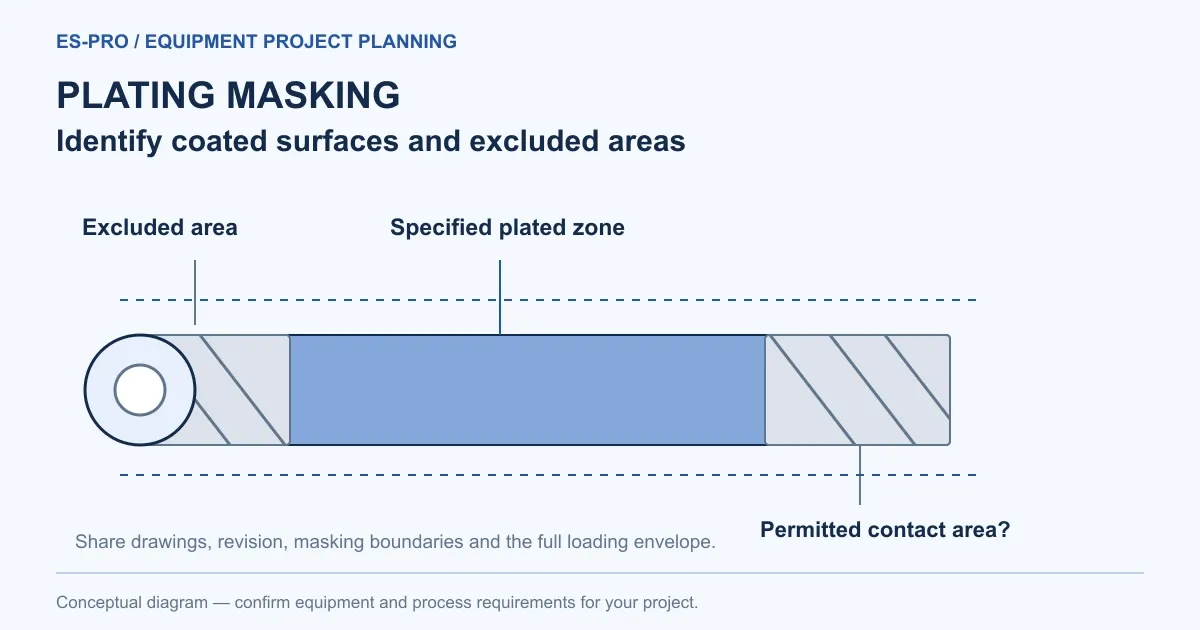
Plating masking begins with a drawing that identifies the surfaces to coat, the areas to exclude and the permitted transition between them. Define the approved masking method, loading sequence and inspection requirement before selecting fixtures or handling equipment. A clear exclusion map helps the equipment assessment distinguish coating access, electrical contacts and protected features.
Excluded zonesMask & loadingInspect the boundary
Original editorial enquiry framework. Conceptual inputs, not an engineered layout or measured result.
What should a plating exclusion drawing show?
Mark the surfaces requiring coating and those that must remain uncoated. Identify holes, threads, internal features and mating faces separately where the requirements differ. Show the boundary between coated and excluded areas. Where a transition is permitted, describe the acceptance requirement rather than leaving the assessor to infer it from a shaded photograph.
Include the drawing revision and the required final condition. A mask boundary may interact with later machining, assembly or inspection. Ask the process owner to identify which condition is accepted and at what stage it is checked. Keep electrical contact locations distinct from excluded areas; the two may coincide in a design, but they should not be assumed to mean the same thing.
How does the masking method affect plating equipment scope?
State the approved masking arrangement or identify it as a choice still requiring assessment. Record whether parts enter the line already masked, where masking is applied and how it is removed. Identify any retained preparation station or inspection equipment. The proposed line sequence should show the operator tasks and the handoff between masking and coating.
Ask the responsible process specialist to confirm compatibility with the actual treatment route. Do not select a material solely from a generic description such as “plating resistant.” The chemistry, temperature, exposure and required removal condition belong in that assessment. The equipment enquiry should list the confirmed arrangement and any remaining validation work without inventing a universal wax, tape or plug recipe.
Which masked-part details affect loading and handling?
Provide part dimensions, weight, orientation and the normal production mix. Identify features that cannot carry a contact or fixture load. Show how the part is supported while masking remains in place. If a mask changes the working envelope, give the complete loaded dimensions rather than the bare-part size alone.
ASTM B507-14(2021) provides official guidance on the design of parts to be electroplated on racks. It is a useful reminder to review the part and handling together. Its public scope is guidance; it does not approve a specific fixture or establish an electrical or mechanical rating for it.
Requirement | Drawing or production record | Assessment question |
|---|---|---|
Coated surfaces | Significant areas and required coating | Can the approved route reach these areas? |
Excluded features | Holes, threads and mating faces | How is protection applied and inspected? |
Boundary | Allowed transition and final condition | What evidence demonstrates an acceptable edge? |
Contacts | Permitted electrical-contact locations | Does loading disturb the masking arrangement? |
Sequence | Application, coating, removal and inspection | Which tasks and stations are included? |
Production mix | Part families and mask variants | How are variants identified and controlled? |
This is an editorial requirements map. It is not a mask design, chemistry-compatibility approval or claim that a particular arrangement has already been validated.
Which masking tasks should a plating production plan include?
Include application, checking, removal and any cleaning required before the next operation. State who performs each task and what evidence is recorded. A coating-stage cycle time can leave substantial work outside the line quotation if masking tasks are not part of the production schedule. Compare accepted output through the complete approved sequence.
For several part variants, explain how the correct mask and drawing revision are selected. Ask what the proposed equipment or work instruction contributes to that identification. Review a changeover between representative variants. The line planning checklist helps place these manual and equipment tasks in the complete factory boundary.
How should a plating mask boundary be inspected?
Agree the locations, viewing or measurement method and permitted condition with the customer specification. Identify when the mask is removed and whether the coating needs additional checks at the boundary. Record any permitted contact mark separately so a known tooling feature is not confused with an unapproved coating defect.
Where adhesion testing is required, agree the appropriate method and specimen. The public ASTM B571-23 reference concerns qualitative adhesion testing of metallic coatings. It does not make a generic test suitable for every part, nor does an acceptable boundary photograph establish adhesion. Our thickness testing guide offers related measurement-planning context.
What should a plating masking trial include?
Choose representative features and the most restrictive mask arrangement. Record the drawing, masking method, load orientation and approved process sequence. Inspect the parts before coating and after removal. Identify what needs to be demonstrated about the coating boundary, excluded feature and final surface condition.
If a proposed fixture or mask changes, keep the change traceable to the relevant trial. Ask the assessor which conclusions apply to the tested configuration and which still require confirmation. A good result on one easy feature should not automatically be extended to every part variant or treatment route in the factory.
Questions You May Have:
Is an uncoated area automatically available for electrical contact?
No. The drawing and loading assessment must permit the contact and its resulting mark. Record the contact requirement separately from the coating exclusion.
Should I send a photograph or a marked drawing?
A photograph gives context; a marked drawing is better for specifying surfaces, boundaries and revisions. Provide both when the geometry is difficult to communicate.
Can the same masking material be used for different coatings?
Its suitability needs confirmation for each approved treatment route and final condition. Identify the actual chemistry and exposure in the compatibility assessment.
Must all masking details be ready for the first enquiry?
No. Share the part and known exclusions first. Mark the masking arrangement as unresolved so the assessment can identify the validation work needed.
Get Proposal and Demo
Send a masking and handling introduction with company, name, email and project country. Technical fields are optional. Provide a marked exclusion drawing, approved process and normal part mix when available. Ask which handling, station boundaries and trial should be assessed.
Drawings can follow by sales email, or chat on WhatsApp. The barrel versus rack guide explains the broader handling choice before part-specific masking is resolved.
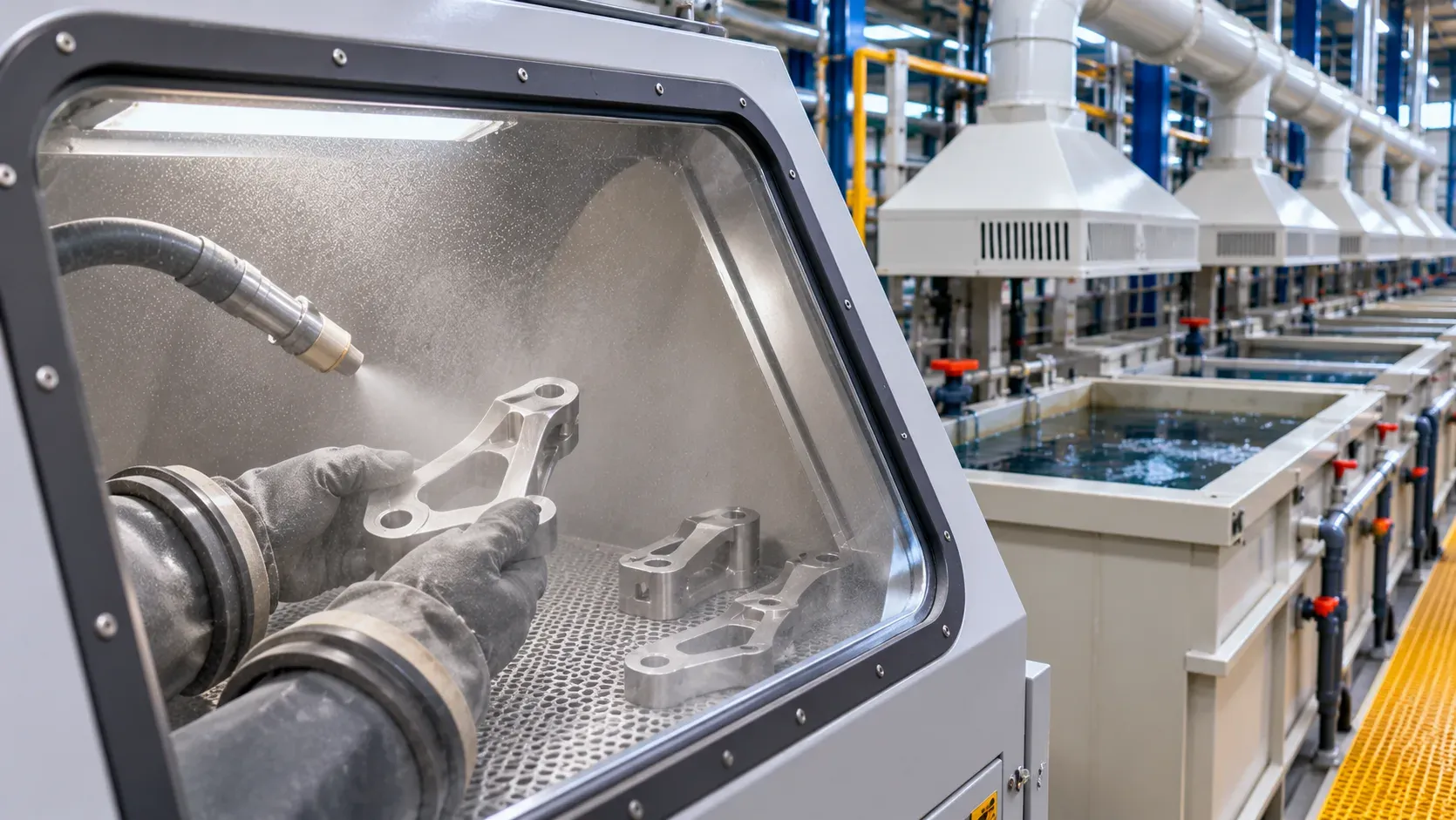
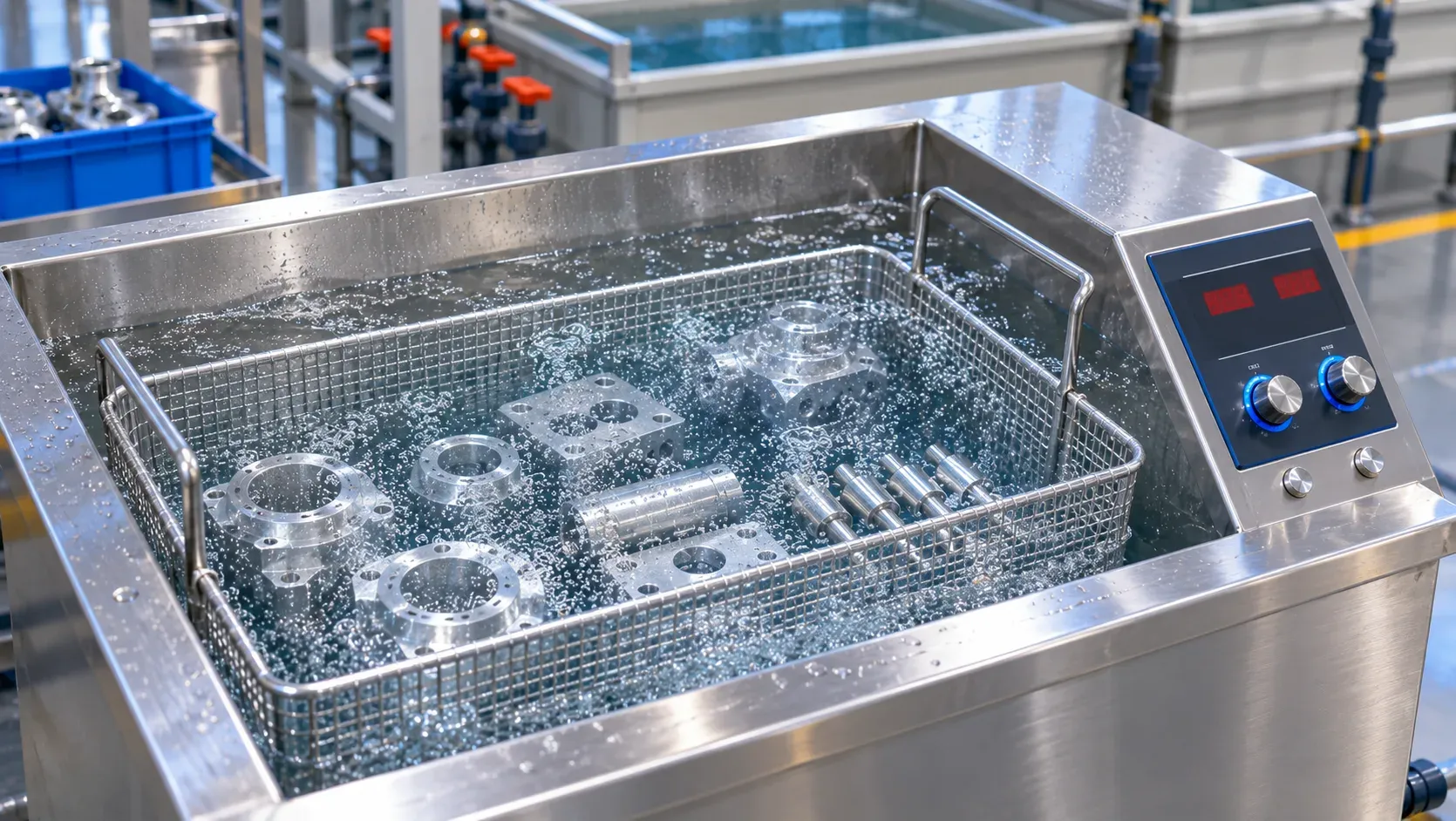
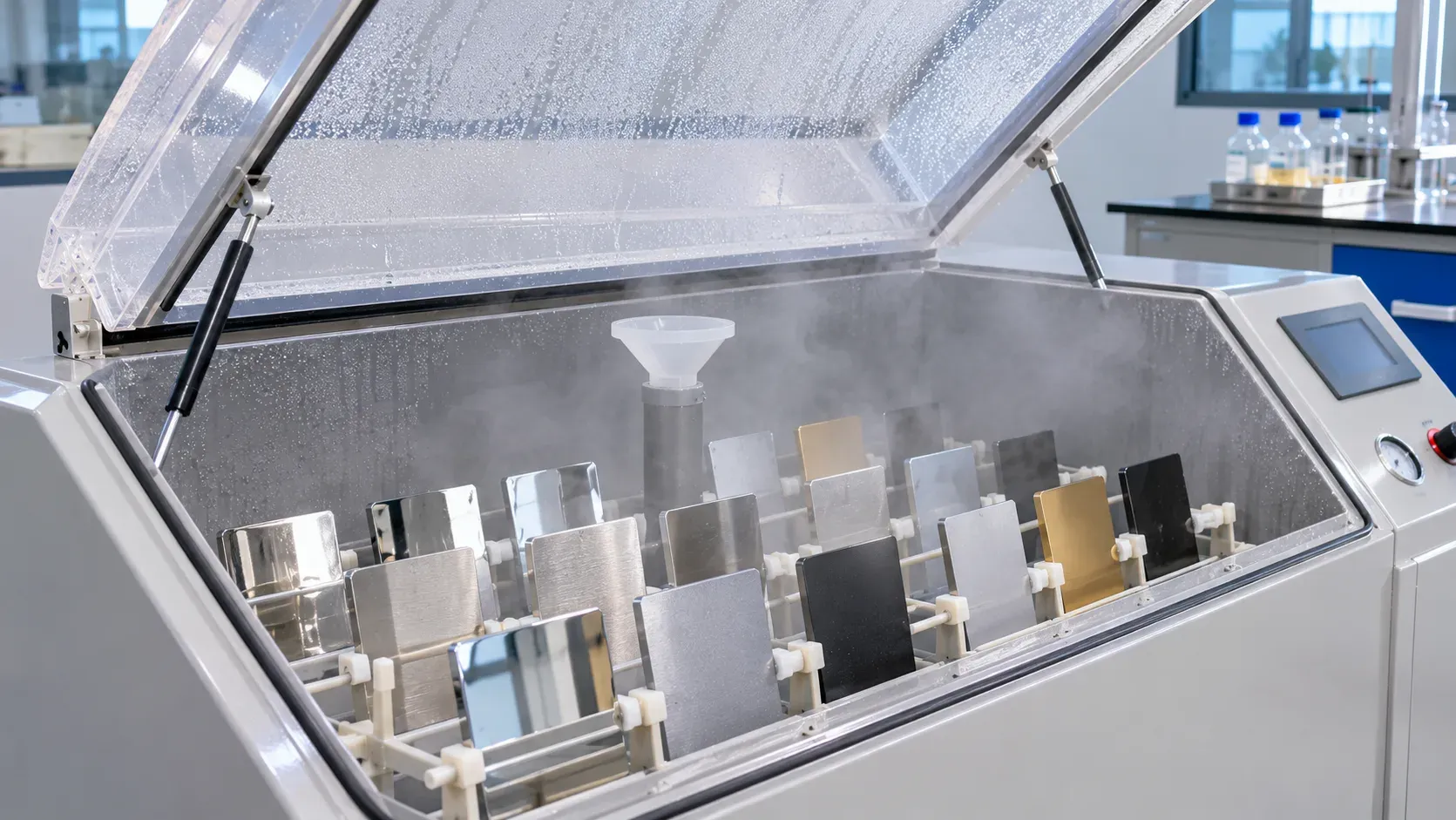
Image note: AI-generated cover illustration; not an ES-PRO installation, customer project or test result.