
Plating Process
Unloading and Packing Trials for Plated Parts
Find where plated parts acquire handling damage. Compare unloading, inspection and packing stages, then qualify a repeatable transfer and protection plan.
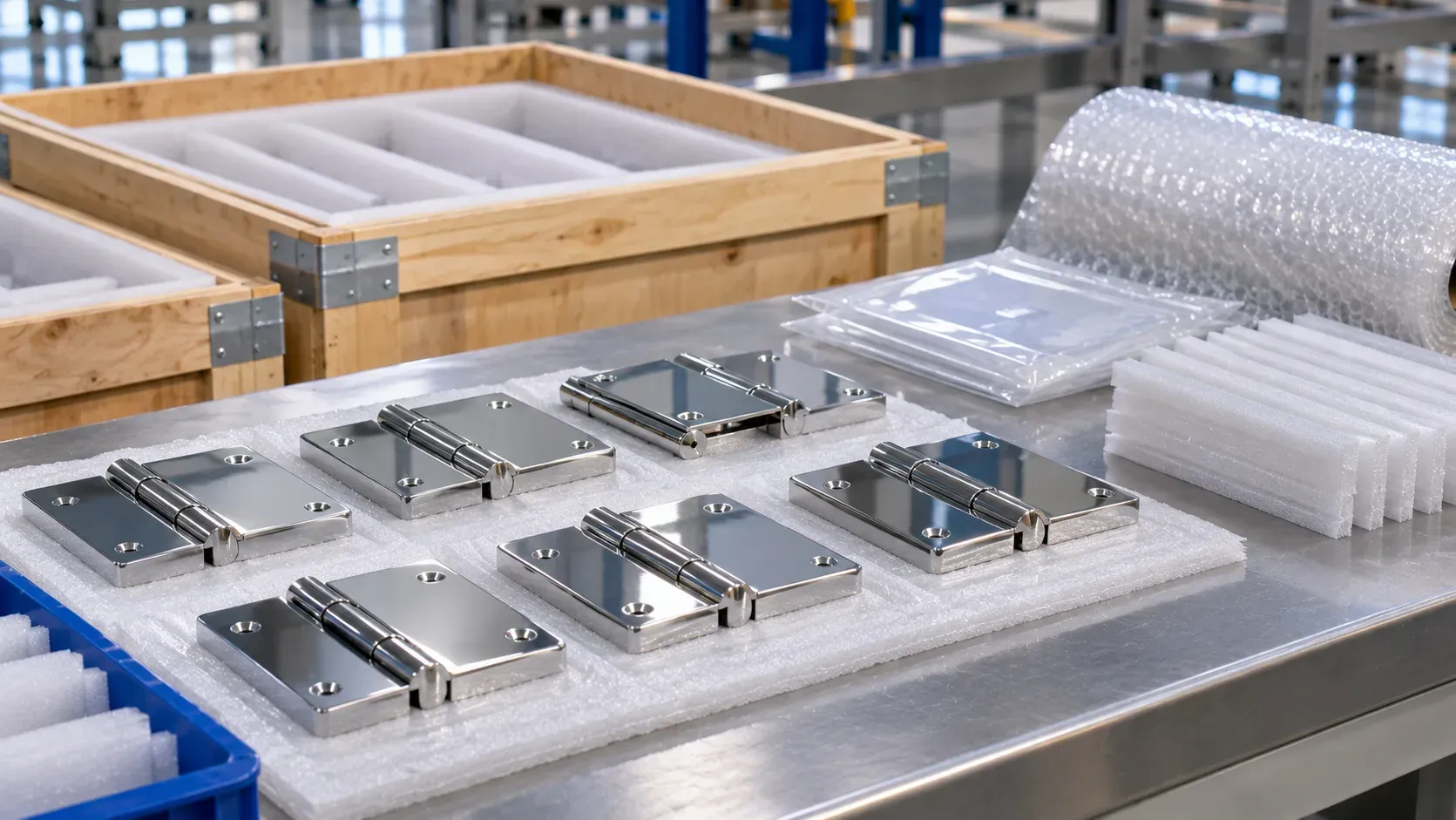
Qualify plated-part unloading and packing by inspecting the same defined features before and after each handling stage. Keep part identity through rack removal, inspection and packaging. Use the observations to choose supports, contact surfaces and packing density that preserve the accepted finish through the agreed delivery boundary.
A line can produce acceptable coating and lose usable output during transfer to a tray. A visible mark discovered in final packing needs a stage comparison before it can be assigned to the plating process, the unloading method or the package.
Draw the path from the rack to the delivery unit
List each surface that contacts the part after the process. Include unloading tools, gloves or handling aids, trays, inspection supports, interleaves and the final package. Mark the part's visible faces, functional surfaces and permitted contact points.
Identify where parts can move against one another. A tray that supports an individual part may behave differently when operators place a full layer into it. Include the expected orientation and stack arrangement in the trial. Confirm dryness and any required conditioning using the approved route before closing a package.
Handoff | Observation to keep | Decision it supports |
|---|---|---|
Rack removal | Marked surface and part ID immediately after the approved unloading step | Suitability of contact and removal method |
Inspection support | Same surface before and after inspection handling | Fixture and access changes |
Tray and packing | Part orientation, count, protection and movement | Package arrangement and usable count |
Agreed delivery check | Package state and matched inspection | Whether the protection covers the delivery conditions |
Worked example with bright decorative trim
Suppose decorative trim passes the agreed appearance check at unloading. Fine marks are found after packing. The team identifies specimens and inspects their marked faces after rack removal, after the inspection station and after placing them in the proposed tray.
If the marks first appear after the tray transfer, compare a candidate support or separation method under the same loading and movement. Keep the unloading and inspection steps consistent. If the marks already appear at rack removal, compare the removal contact and technique first. The stage record reduces the chance of modifying a coating process to solve a later handling issue.
Try the normal packing quantity with the people and equipment expected in production. A careful engineer loading one specimen may avoid movement that a full shift encounters. Record the time and access needed so the accepted packing method can support the required output.
Define the delivery conditions the trial should cover
Agree whether acceptance covers internal transfer, storage at the plating shop or a shipment to another facility. Record the chosen handling and distribution conditions. If a project uses a transport-package test, select the applicable method and severity with the packaging and quality owners.
The ASTM D4169 public catalogue addresses performance testing of shipping containers and systems. It provides a framework for a separate distribution test discussion. The proposed package and actual product still need the project's acceptance plan.
Use the barrel versus rack guide to identify the unloading format and the line layout guide when planning the inspection and packing area. Handling capacity belongs in the production timeline alongside the wet line.
Write an actionable package release
Record the accepted part orientation, quantity per tray or package, contact materials and the drawing or sample used for inspection. Identify the support or separator by revision. State the allowable substitutions or the review required when a supplier changes packaging materials.
Use lot and specimen · initial appearance · unload method · inspection support · tray revision and count · package trial · final result · disposition and owner. Keep sample photos with consistent location and viewing conditions.
Calculate output at the packing boundary if that is where the buyer accepts the parts. The line setup guide can help include the required space and handling equipment in the original brief. Record rejected and held parts by the stage where the issue was first observed.
Before routine release, have a second operator repeat the unloading and packing sequence with the accepted references. Record any step that depends on an undocumented technique or unusual time allowance. If the trial relies on a specific tray orientation, make that orientation identifiable at the workstation and retain it in the packing instruction.
FAQ
Should every mark found in packing be assigned to the coating line?
Use matched observations across the handling stages to establish when the mark first becomes visible.
Can a softer separator always protect the finish?
Trial the actual material, part and packing conditions. Check compatibility, contact and movement against the project requirements.
When should packing be included in capacity acceptance?
Include it when the purchased output is accepted packed parts or when unloading and packing limit the sustained line rate.
Discuss the handling boundary
Share your part surfaces and delivery unit. Include the unloading method, packing count and acceptance reference. Send examples by sales email, or discuss the project on WhatsApp.


