Plating Process
Nickel-Boron Plating: Define the Equipment Scope
Build a nickel-boron equipment brief with the required specification, chemical system, part loading, bath services, final condition and inspection plan.
@media (max-width:600px) { .espro-guide { font-size: 17px; } .espro-guide .comparison-scroll { overflow: visible; } .espro-guide table, .espro-guide tbody, .espro-guide tr, .espro-guide td { display: block; width: auto; } .espro-guide thead { display: none; } .espro-guide tr { border-bottom: 2px solid #d7e3f4; } .espro-guide td { padding: 12px 15px; } .espro-guide td:before { content: attr(data-label); display: block; color: #2454a6; font-size: 12px; font-weight: 700; margin-bottom: 5px; } .espro-guide .brief-flow { display: block; } .espro-guide .brief-flow span { display: block; margin-bottom: 10px; } }
Nickel-boron plating equipment should be specified against the required deposit, substrate, approved chemical system and final acceptance condition. Identify the applicable specification and process owner before comparing tanks, handling or service equipment. A nickel-boron enquiry needs its own scope; requirements for a different nickel alloy should not be transferred without an approved technical basis.
Required depositChemical systemFinal-condition evidence
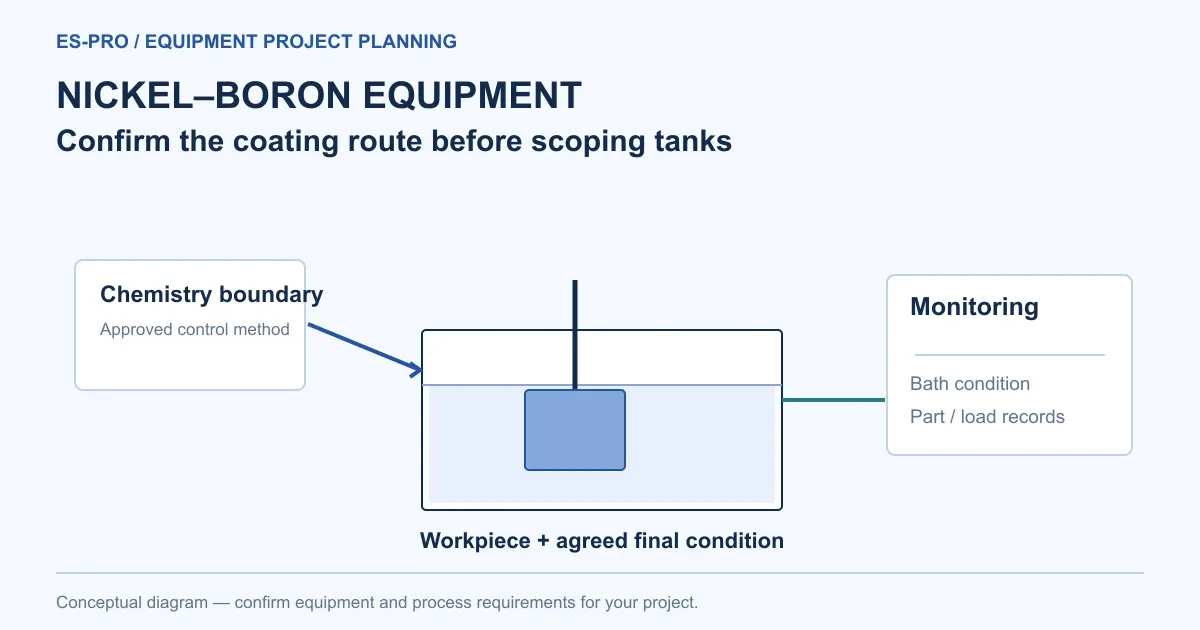
Original editorial enquiry framework. Conceptual inputs, not an engineered layout or measured result.
Which nickel-boron deposit requirement applies to the part?
Begin with the customer's coating designation and the revision of the applicable specification. Identify the substrate and its condition on arrival. Mark the significant surfaces, coating exclusions and inspection locations. State whether the part is accepted as coated or after a specified subsequent operation. The final condition matters when the equipment scope includes more than the deposition stage.
The public scope of SAE AMS2433E covers electroless nickel-thallium-boron or nickel-boron deposits on various substrates. AMS2399C is another nickel-boron deposit reference. Identify the document required by the contract; these catalogue pages are not evidence that a supplier or its equipment has a particular approval.
What should the process owner confirm for nickel-boron plating?
Identify the actual chemical system and the organisation responsible for its operating requirements. Confirm whether the selected process falls within the requested coating specification. Record the approved preparation, deposition, rinsing and subsequent treatment route. A generic nickel-boron label does not resolve every chemistry, substrate or final-property requirement.
Provide the equipment assessor with the confirmed operating conditions and materials restrictions. If these are still under evaluation, distinguish provisional information from an approved requirement. Ask the proposal to identify which decisions remain open and what information is required to close them. Avoid using an unrelated nickel-phosphorus operating schedule as a substitute.
How should nickel-boron equipment and chemistry duties be separated?
List every process stage and name the party supplying or retaining the equipment for it. Include preparation, water services, drying and any specified later treatment where relevant. State which stages are part of a new installation and which depend on existing factory equipment. Compare offers against the same route before drawing a conclusion from their total prices.
Scope item | Buyer information | Proposal clarification |
|---|---|---|
Coating requirement | Document, revision and final condition | Applicable process and acceptance boundary |
Chemical system | Confirmed route and process owner | Material/service assumptions and unresolved choices |
Part families | Substrate, geometry and significant areas | Loading, orientation and protection concept |
Bath services | Approved temperature, movement and service needs | Included equipment and retained interfaces |
Subsequent work | Specified treatment and inspection sequence | Responsible equipment and handoff points |
Documentation | Required process and inspection records | Included controls, records and demonstration |
This original scope checklist does not establish a bath formulation, treatment schedule or confirmed ES-PRO supply capability.
Which part-loading details affect nickel-boron equipment selection?
Provide dimensions, weight, orientation and the planned production mix. Identify holes, cavities and masked surfaces that affect processing, rinsing or inspection. State where handling contact is permitted. Ask the assessor to show the proposed loading boundary and the information it uses to evaluate the most difficult part in the schedule.
Record manual preparation and unloading tasks as well as the equipment cycle. A quoted stage time is not the same as accepted monthly output through the whole route. Use a common loading and shift assumption when comparing proposals. Our equipment buyer's guide explains how the complete handling boundary supports a useful assessment.
Which nickel-boron bath services and maintenance duties need definition?
Ask the process owner which monitoring and bath-service functions are required for the selected system. Request a proposal explaining the included heating or cooling, circulation, filtration and access arrangements where applicable. Record which factory utilities or specialist services the offer assumes. Identify who is responsible for checking retained instruments and service equipment.
Include maintenance and solution-management responsibilities in the operating discussion. State the factory's service access, shutdown constraints and staff responsibilities. The offer should explain which activities belong to normal operation and which require a separate service arrangement. Do not infer the operating cost or service interval from a deposit name or an unrelated installation.
How should the final nickel-boron condition be demonstrated?
Agree the representative part, approved route and required inspection before the trial. Identify whether testing takes place before or after the specified subsequent operation. Connect the part identity to the operating and inspection records. Ask who is responsible for each acceptance decision and how deviations are documented.
Use the specification-required measurement methods and agreed locations. Our thickness testing guide offers related planning context, but it does not establish a nickel-boron qualification method for every substrate. A convincing visual sample should be accompanied by the evidence required by the actual coating contract.
Questions You May Have:
Can nickel-boron and nickel-phosphorus requirements be exchanged?
They identify different deposit systems. Use the required specification and process-owner approval rather than transferring a classification, treatment or acceptance result between them.
Does nickel-boron always mean a thallium-containing process?
The actual chemical system must be identified and assessed. A specification title listing alternatives does not establish which process the project uses.
Does a standards link prove that equipment is certified?
No. A standard provides requirement context. Any supplier qualification or customer approval needs its own verified evidence for the actual scope.
Can a project begin before the chemical system is selected?
Yes. Share the substrate, deposit requirement and intended final condition. Mark the chemical choice as unresolved so the assessment can identify the decisions needed before equipment selection.
Get Proposal and Demo
Send a nickel-boron project introduction with company, name, email and project country. Technical fields are optional. Provide the coating specification, part drawing and process-owner details when available. Ask which equipment interfaces and demonstration are relevant to the approved route.
Documents can follow by sales email, or chat on WhatsApp. For broader process context, see electrolytic and electroless nickel and the quotation scope guide.
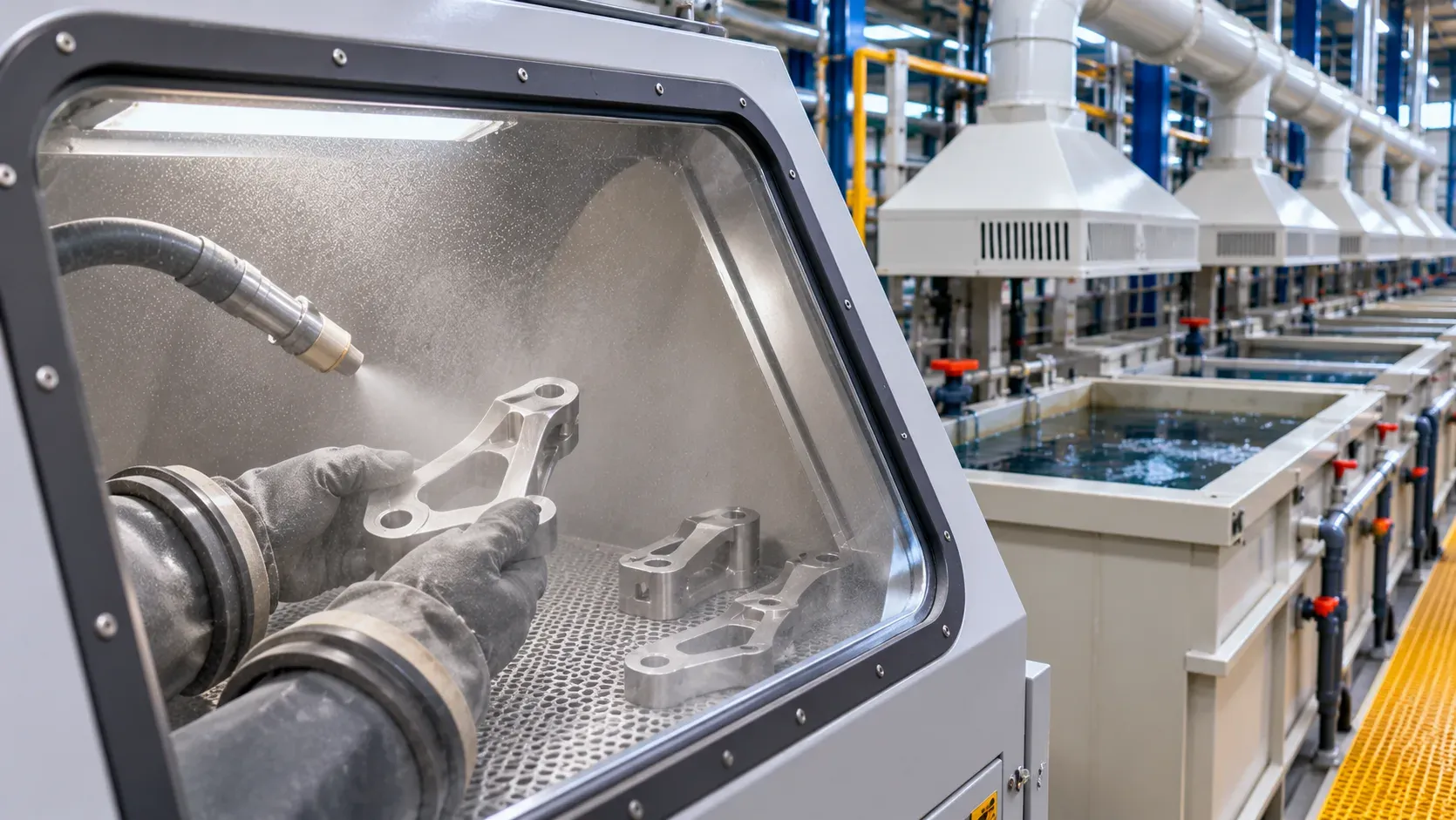
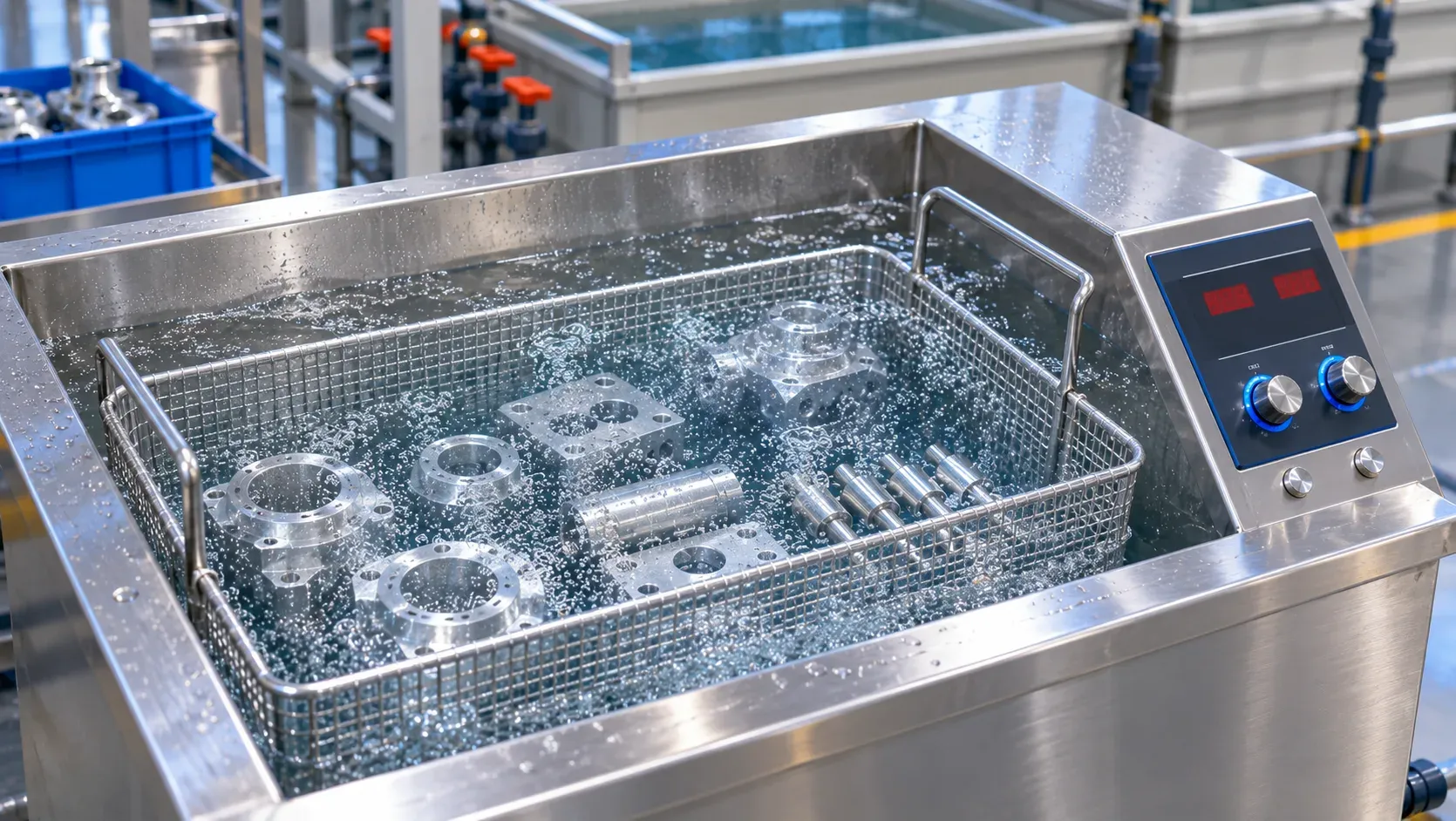
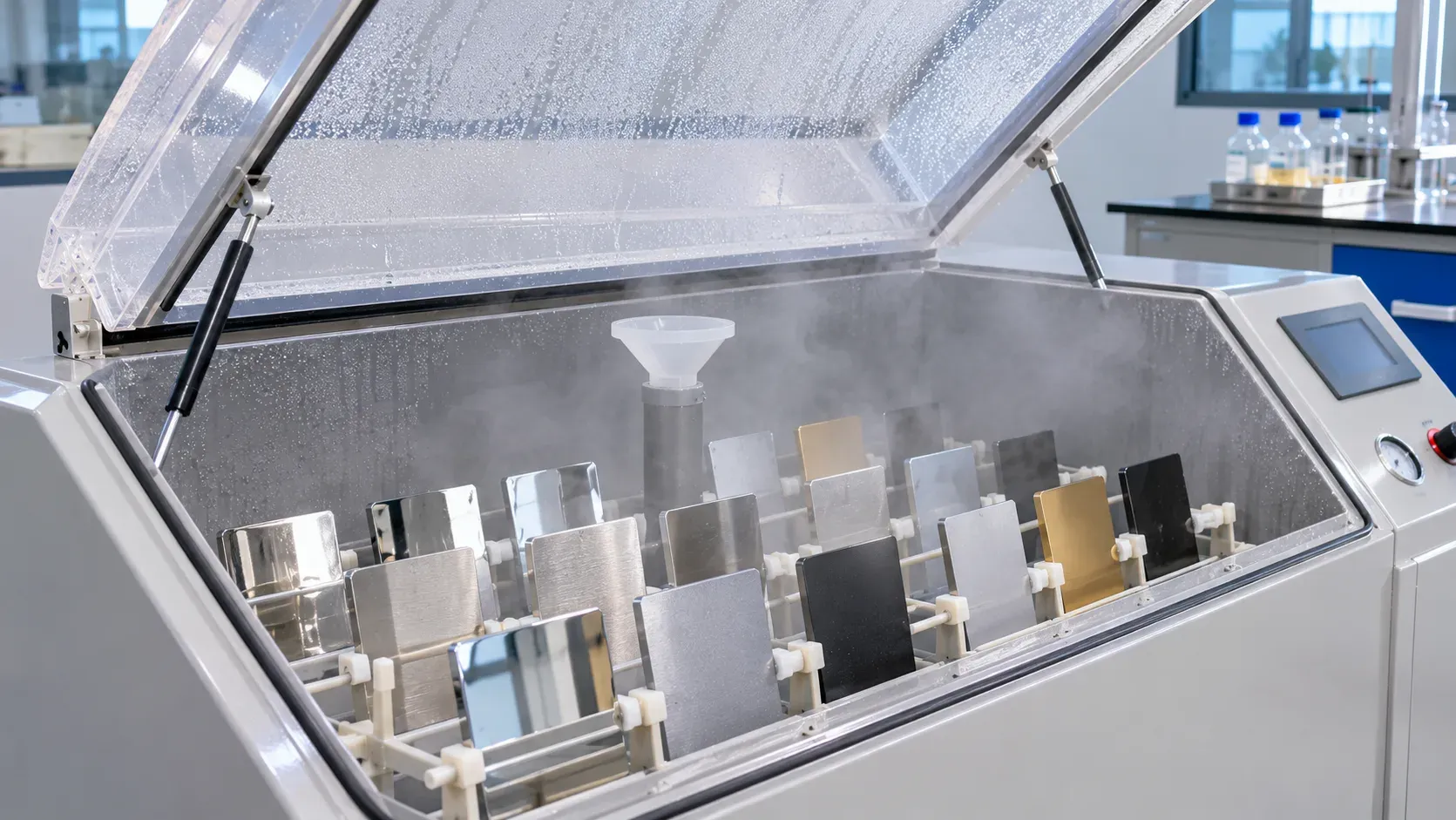
Image note: AI-generated cover illustration; not an ES-PRO installation, customer project or test result.