Plating Process
Preparing Nickel Alloy Parts for Electroplating
Define a preparation trial for nickel alloy parts using grade, condition and critical features. Link surface preparation evidence with final coating acceptance.
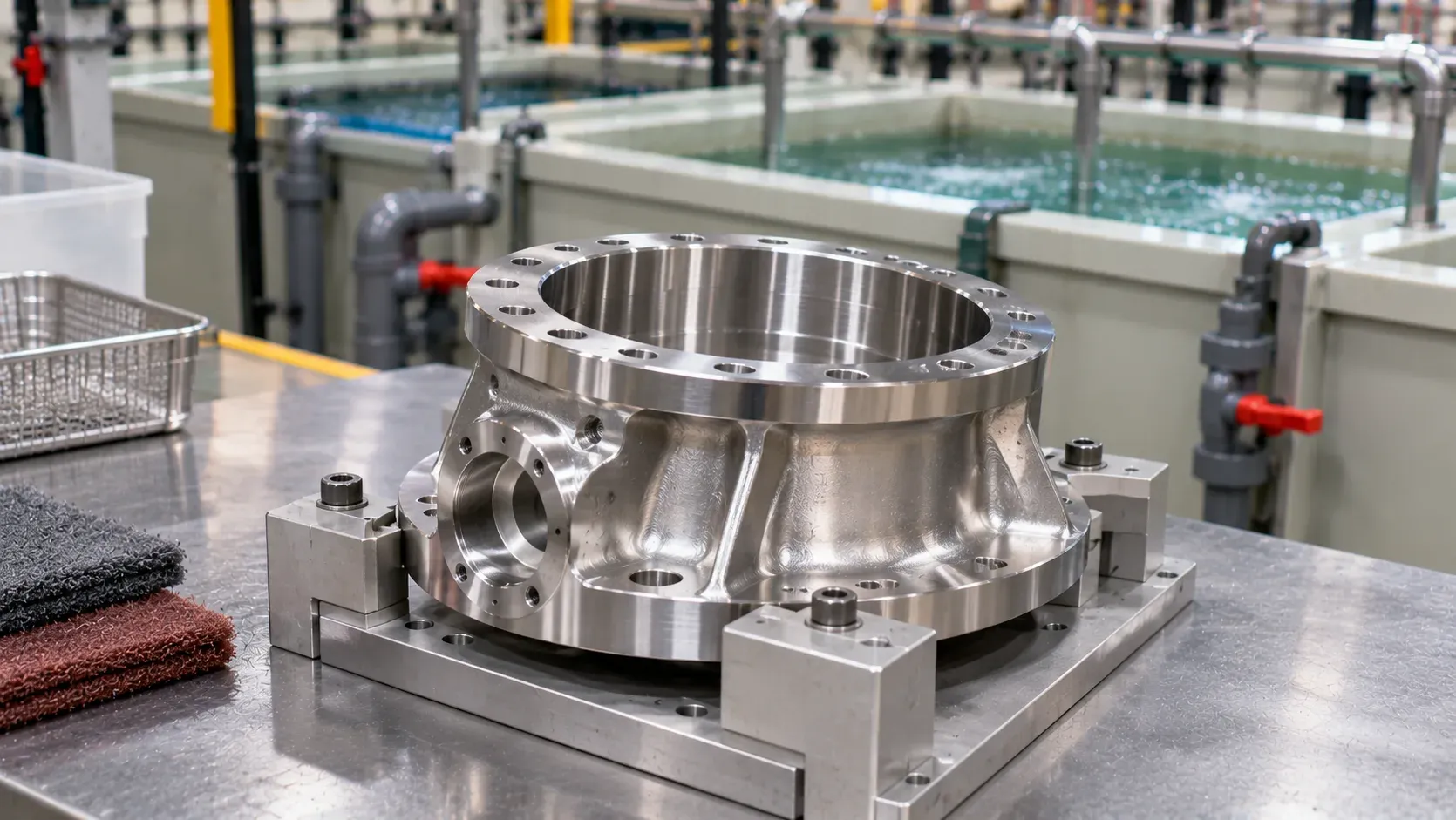
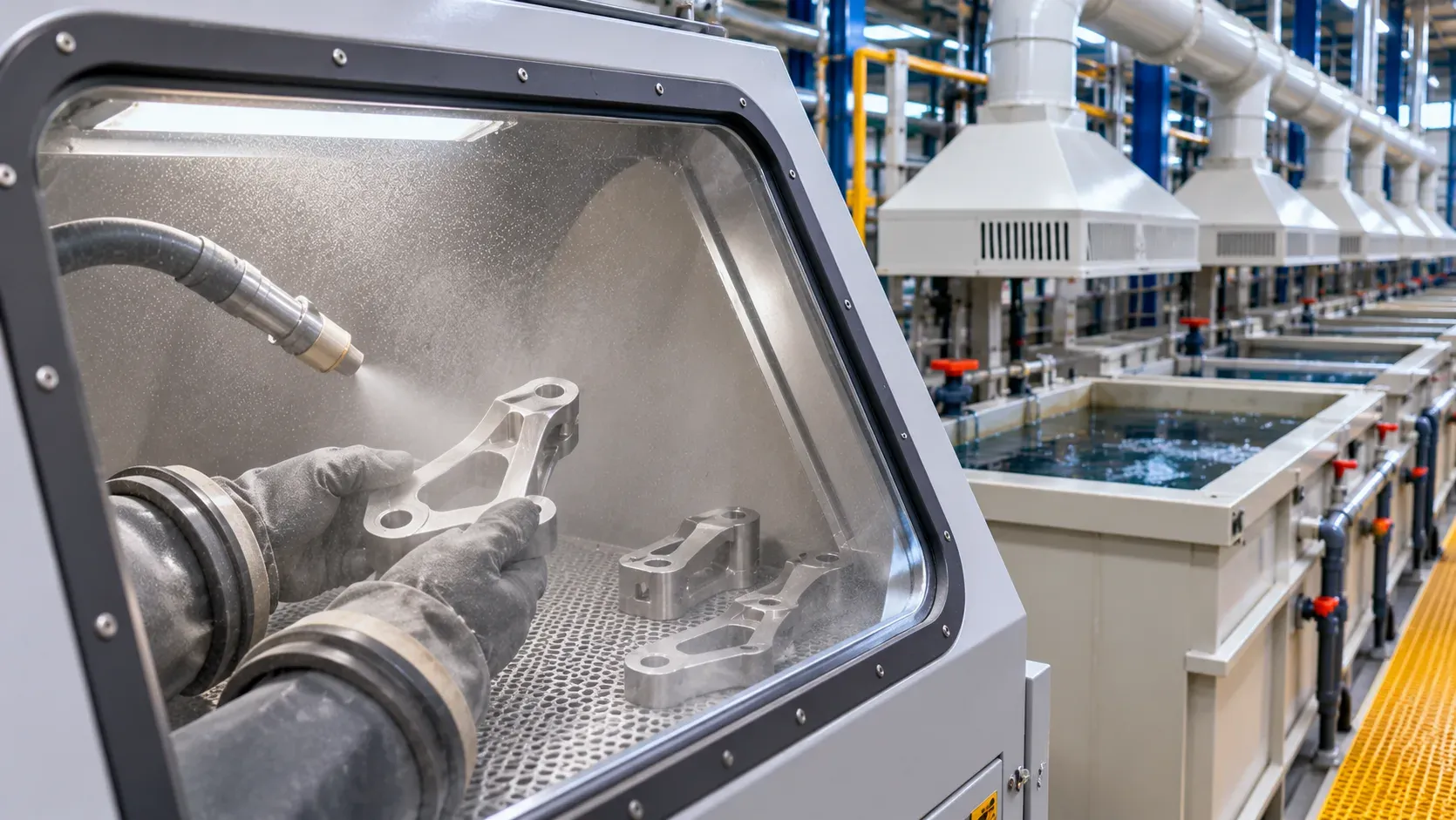
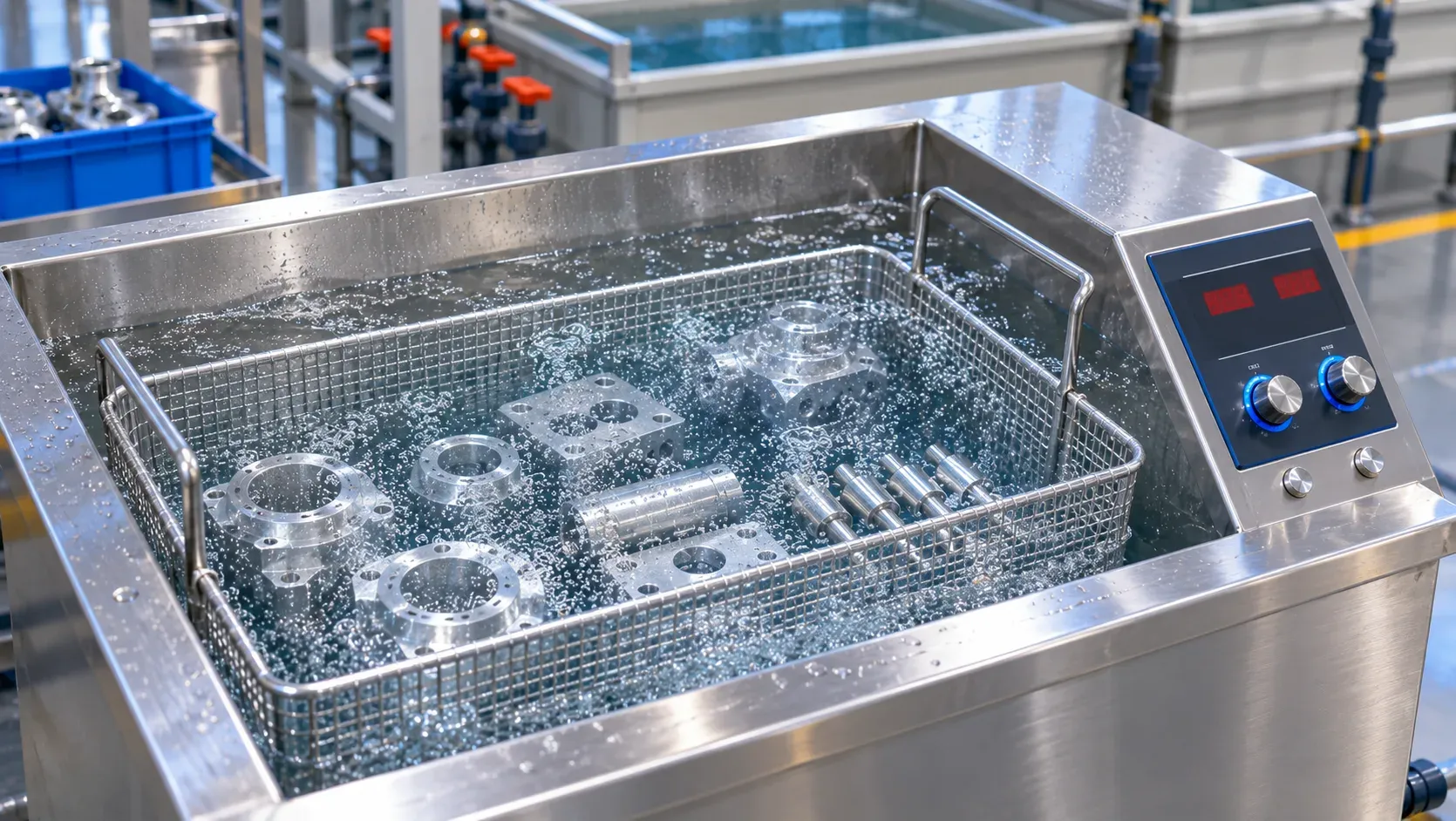
Prepare nickel alloy parts using a route approved for the actual alloy, condition and required coating. Identify incoming manufacturing and surface history, mark the critical features and qualify representative specimens. Connect preparation evidence with finished-part tests before using the route as the basis for a line or retrofit quotation.
The substrate alloy and the deposited metal are separate inputs. A supplier quoting “nickel plating” needs to know whether the workpiece is a nickel alloy, the deposit contains nickel, or both. Clarify that distinction in the first line of the enquiry.
Build the substrate and surface record
Identify the grade, condition and material evidence required by the project. Record relevant machining, heat treatment, welding, previous coating or repair history. Mark the required plated surfaces and any areas excluded from treatment.
The ASTM B558-25 catalogue covers preparation of nickel alloys for electroplating. Use the applicable full practice and the process owner's approved instructions to establish the route. A broad material label does not establish which preparation is suitable.
Substrate question | Evidence to bring | Decision it supports |
|---|---|---|
Exact alloy and condition | Drawing, material record and required verification | Approved preparation basis |
Relevant manufacturing history | Named operations and surface state | Which incoming range the trial represents |
Critical surfaces | Marked features and contact permissions | Fixture, access and inspection plan |
Final coating | Invoked requirements and acceptance tests | Evidence needed after the complete route |
Define the qualification sequence
Agree the incoming inspection, preparation observations and final coating checks. If an intermediate assessment is required, confirm how it can be performed within the approved sequence. Record any trial interruption or handling difference that may affect interpretation.
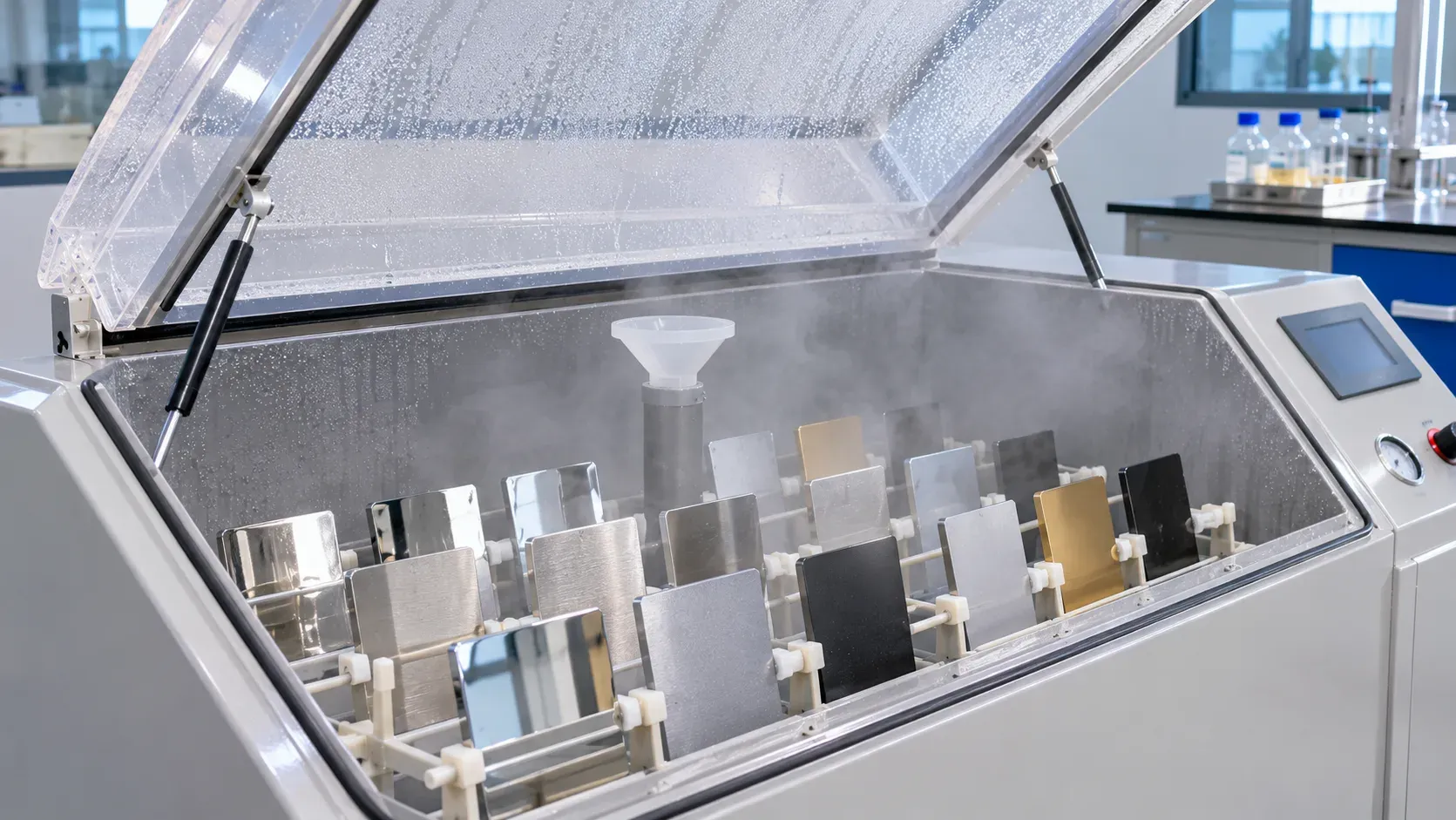
Use representative production geometry where it matters. If the trial includes witness pieces, document what they represent and what remains to be checked on the part. The coating thickness guide helps define measurement locations and access.
Keep the actual route and specimen histories together. A test result is useful only when the team can reconstruct the condition that produced it. A later route change needs an assessment against the same accepted requirements.
Worked example with a repaired alloy component
Suppose a nickel alloy component has a repaired region and a machined mating surface. The drawing requires coating on both areas. The initial preparation trial uses a specimen representing the base alloy but leaves the repaired region outside its demonstrated range.
Ask the design, process and quality owners to identify the material and condition that must be represented. Run the approved trial on suitable specimens or actual parts, then compare the named surfaces after the complete coating sequence.
If one feature fails, preserve its incoming condition and route history with the inspection result. Check whether the evidence follows a substrate region, a fixture position or another recorded condition before changing the process. Resolve any proposed repair or rework through the applicable authority.
Describe the equipment scope from the approved route
Give the line supplier the selected process unit, weight, envelope, load and allowable contacts. Have the chemistry supplier identify the actual stages and service conditions. Record who provides trial parts, analysis, test specimens and final reports.
The surface preparation sequence guide provides the broader route framework. The line setup guide helps assign utilities and handling interfaces.
Record alloy and condition · manufacturing or repair history · required coated features · approved preparation · specimen identity · final results · qualification range · open questions and owners. Attach any limits on the part families or incoming conditions the approval covers.
Control the preparation-to-deposition handoff
Record the approved part state at the point it enters deposition, including any handling or transfer condition the process owner requires. If the qualification uses a different transfer arrangement from the proposed line, have the team assess that difference before accepting the equipment sequence.
For a repeated trial, use the same identified material population and critical features. Keep the observations from base material, repaired areas and other distinct regions separate. An overall pass statement should be supported by the required evidence at each controlled feature.
Ask the equipment supplier to demonstrate the transfer and tracking functions that preserve the approved sequence. The buyer should be able to see which route revision and specimen history produced a particular result. If a manual handoff is part of the process, include it in the trial and the operating responsibility map.
Procurement checklist
- The exact alloy, material condition and the location and history of any repaired regions.
- The approved preparation-to-deposition sequence and trials covering the actual part and production load.
- A responsibility list for preparation stations, transfer scheduling, fixtures and final adhesion or other invoked tests.
FAQ
Does a nickel deposit identify the substrate?
Specify the substrate alloy separately from the coating and any underlayers.
Can a base-alloy trial automatically cover a repaired region?
Review the repaired material and condition against the qualification basis and obtain the required approval.
Can a generic preparation sequence be used for every nickel alloy?
Use an approved route for the actual grade, condition, history and required coating.
Discuss nickel alloy preparation
Share the alloy and relevant part history. Include the critical features, final coating and intended load. Send drawings by sales email, or discuss the project on WhatsApp.