
Plating Process
Incoming Part Checks Before Electroplating
Build an incoming inspection record for electroplating. Link material, machining condition and lot identity to the route, fixtures and release decision.
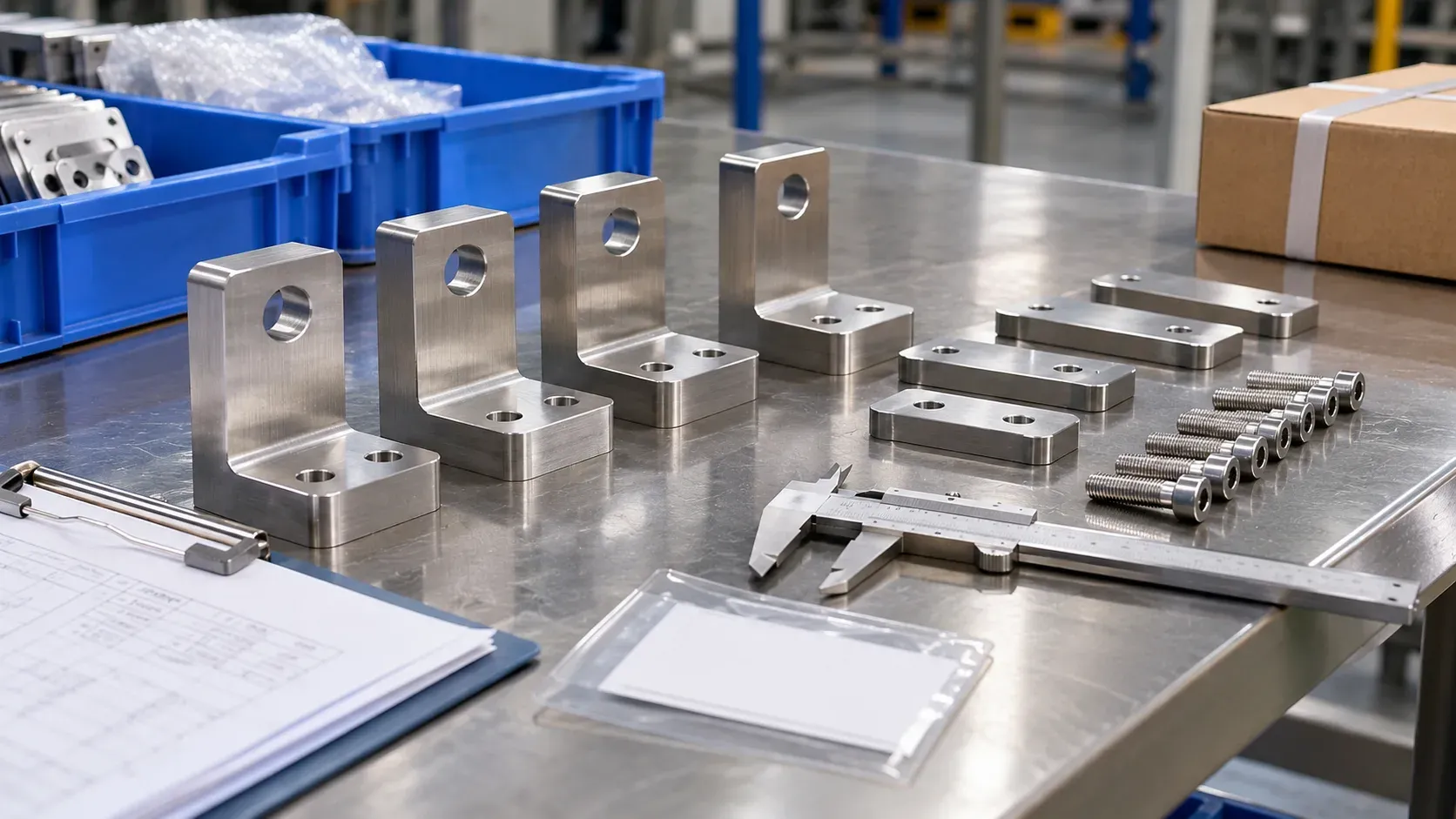
Release incoming parts to electroplating against a defined part revision, substrate condition and approved process route. Connect the supplier's lot to the drawing and the condition actually received. Resolve differences in material, surface condition or manufacturing history before treating two deliveries as interchangeable production inputs.
An incoming part may fit its fixture and still differ from the sample used to qualify the line. It may carry a different machining fluid, a heat-treatment change or a surface defect that becomes more visible after coating. The receiving record should explain what changed and which team decided whether the route still applies.
Start with identity and the intended finish
Match the drawing revision and purchase requirement to the physical lot and labels. Confirm the material grade and condition using the evidence required by the purchase basis. A descriptive label such as “steel bracket” may be enough for warehouse identification, but the process owner may need a more specific condition to approve preparation and coating.
List the significant surfaces, permitted contact marks and features that must stay clear of coating. Keep those drawing requirements next to the incoming inspection record. A change in the supplier's marking location can affect a visible face or a rack contact even when the part dimensions stay the same.
Incoming question | Evidence or observation | Decision before loading |
|---|---|---|
Is the correct part and material present? | Drawing revision, lot label and required material documents | Assign the approved route or hold the identity question |
What condition reached the line? | Surface, packaging, residues and damage at named locations | Confirm preparation or refer the difference to the process owner |
Does the fixture still fit? | Sample fit and allowed contact zones | Release the qualified load or investigate the change |
Has manufacturing changed? | Supplier change notice or known processing history | Decide what verification the change requires |
Use the surface preparation guide to connect incoming observations with route questions. The line setup checklist helps identify where the inspection and hold area belongs.
Compare a delivery with the qualification sample
Choose the reference according to the quality plan and retain its identity. Compare the same features on the incoming part. Photograph a defect or residue with a part ID and location. Keep the description factual, such as a film on the rear flange or a dent on the visible face, before assigning a cause.
Record the condition before cleaning when the investigation depends on it. An observation made after a different handling or preparation step may no longer describe what receiving saw. Ask the process owner to approve any trial used to determine whether the normal route can handle the condition.
If the part family has several upstream sources, record which ones the qualification covers. A shared drawing number does not by itself show that material condition, packaging or manufacturing residues are equivalent. Establish the information needed for an approved supplier change and keep it linked to the trial evidence.
Worked example with a machining-fluid change
Suppose a supplier changes the machining fluid used on a steel housing. Dimensions and material certificates remain within the purchase requirement. Receiving notices a different film near a pocket. The existing plating route was qualified using the earlier incoming condition.
Hold a representative sample for review with the process owner. Compare the new and reference parts using the agreed inspection or cleanliness method, then run an approved trial if required. Keep the part condition, preparation record and final coating result together. If the route remains suitable, record the evidence and the limits of that decision. If it needs a revised cleaning step, assess its effect on the rest of the sequence and the quoted equipment.
The purchasing question is specific. Does the approved preparation equipment and time window cover the new incoming condition? The response might be a documented release, a supplier correction or a controlled process change. An unlabeled adjustment on the shop floor leaves the next delivery without a clear basis.
Copy the incoming release record
Record supplier · delivery and lot · part revision · material condition · relevant upstream change · observed surface condition · reference sample · trial or inspection evidence · approved route · disposition and owner. Reconcile the held and released quantities to the lot received.
Agree where the release decision enters the line record. The automation and traceability guide describes the broader tracking questions. For receiving, the key link is between the accepted incoming lot and the rack or production load.
FAQ
Should every incoming change trigger a complete requalification?
Use the change-control rules and assess which approved assumptions the change affects. Record why the selected checks cover the risk.
Can the coating supplier identify the material from appearance?
Use the material evidence required for the project. Appearance can support an inspection observation, while identity needs the agreed verification.
Should receiving reject every visible mark?
Apply the drawing and incoming acceptance criteria. Identify the surface and record the observation before assigning its disposition.
Discuss incoming conditions for a plating line
Share the part family and its incoming condition. Include the material, finish requirement and changes the preparation route must accommodate. Send records by sales email, or discuss the project on WhatsApp.


